Walk down any supermarket aisle and you'll see it everywhere: low fat, fat free, light. It's one of the most trusted labels there is. But for blood sugar, it can be one of the most misleading, and it's a big reason I stopped trusting the front of the packet.
When fat comes out, something goes in
Fat gives food its taste and texture. Take it out and products can end up thin, bland or chalky, so manufacturers often make up for it with sugar or starch. A study comparing low-fat, fat-free and regular versions of the same foods found the reduced-fat versions had significantly more sugar, across dairy, baked goods, dressings and more [1].
So a "low fat" yoghurt or salad dressing can quietly carry more sugar than the full-fat one it's replacing. That's the opposite of what you want for steady blood sugar.
Fat is your blood sugar's friend
This is the bit that gets lost. Fat slows down how quickly food leaves your stomach, so the carbs alongside it reach your bloodstream more gradually. In the study my real-life GL method is based on, adding oil to mashed potato lowered both the blood sugar and the insulin response [2].
Take the fat out and add sugar, and you've removed the thing that softens the rise and added more of what causes it.
And the old fear about full-fat dairy doesn't hold up for diabetes either. A large analysis of three US studies plus 14 others found that full-fat dairy wasn't linked to a higher risk of type 2 diabetes, and yoghurt was linked to a lower risk [3]. Those are associations rather than proof, but there's no sign that choosing the full-fat version is the problem.
What the labels actually mean
In the UK, these words have legal definitions [4]:
- Fat free: no more than 0.5g of fat per 100g.
- Low fat: no more than 3g of fat per 100g (1.5g per 100ml for drinks).
- Reduced fat or light: at least 30% less fat than a similar product. It can still be high in fat, and it says nothing about sugar.
Notice what's missing: none of these rules limit sugar. A product can be "fat free" and still be mostly sugar. Sweets are a good example.
The 10-second check I use instead
Turn the packet over and look at the nutrition table, per 100g:
- "Of which sugars": 5g or less is low; over 22.5g is high [5]. For plain dairy, most of what you'll see is natural milk sugar, which is fine. It's the jump between the plain and the "light" or flavoured version that tells you something's been added.
- The ingredients list: ingredients are listed from most to least. If sugar, glucose syrup, dextrose or fruit juice concentrate is near the top, it's doing a lot of the work.
- Starches and thickeners: modified starch and maltodextrin often step in to replace the texture fat used to give.
Not all low-fat foods are the problem
This isn't a rule to never buy anything low fat. I use 0% Greek yoghurt in some of my recipes, because plain Greek yoghurt is naturally high in protein and has nothing added. The problem is products where fat has been swapped for sugar, so the label check is what matters, not the word on the front.
When I want creaminess, I'd rather add real fat, like whole milk, cheese, olive oil or avocado, and pair it with my carbs. It tastes better, it keeps me full, and it does my blood sugar a favour.
This is general information, not medical advice. If you have diabetes, PCOS or another condition, speak to your GP or care team about what's right for you.
Sources
- Nguyen PK, Lin S, Heidenreich P (2016). A systematic comparison of sugar content in low-fat vs regular versions of food. Nutrition & Diabetes.
- Hätönen KA, et al. (2011). Protein and fat modify the glycaemic and insulinaemic responses to a mashed potato-based meal. British Journal of Nutrition.
- Chen M, et al. (2014). Dairy consumption and risk of type 2 diabetes: 3 cohorts of US adults and an updated meta-analysis. BMC Medicine.
- GOV.UK. Nutrition and health claims: guidance to compliance with Regulation (EC) 1924/2006.
- NHS. Food labels.
Recipes to try
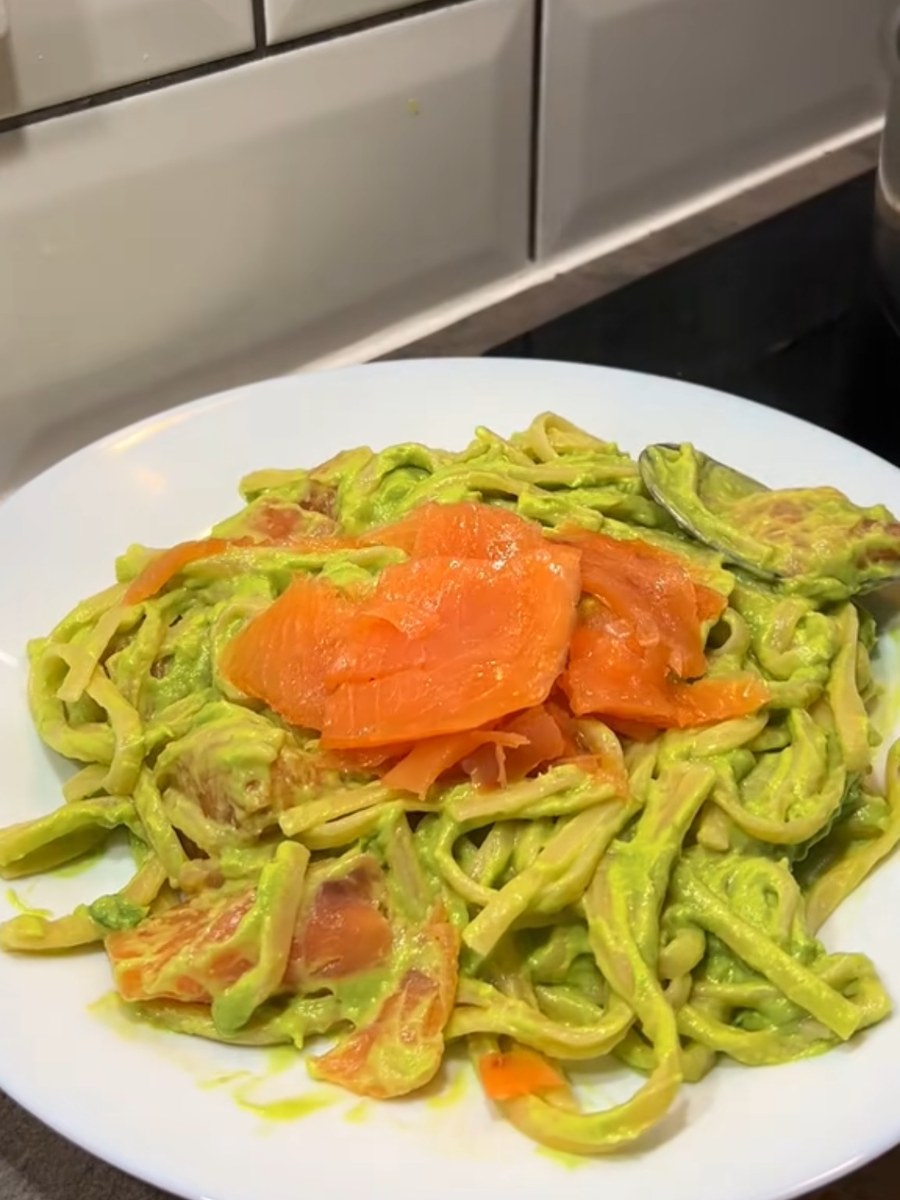
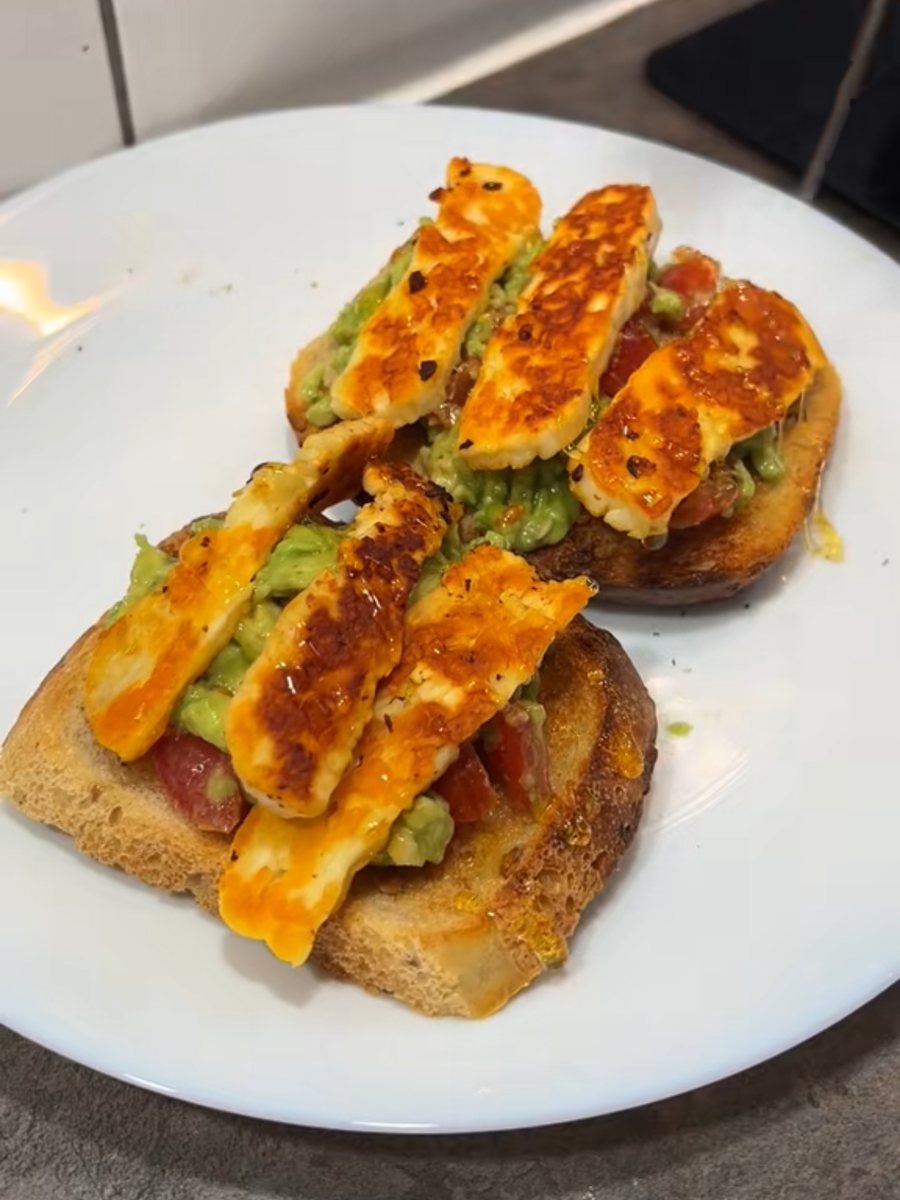
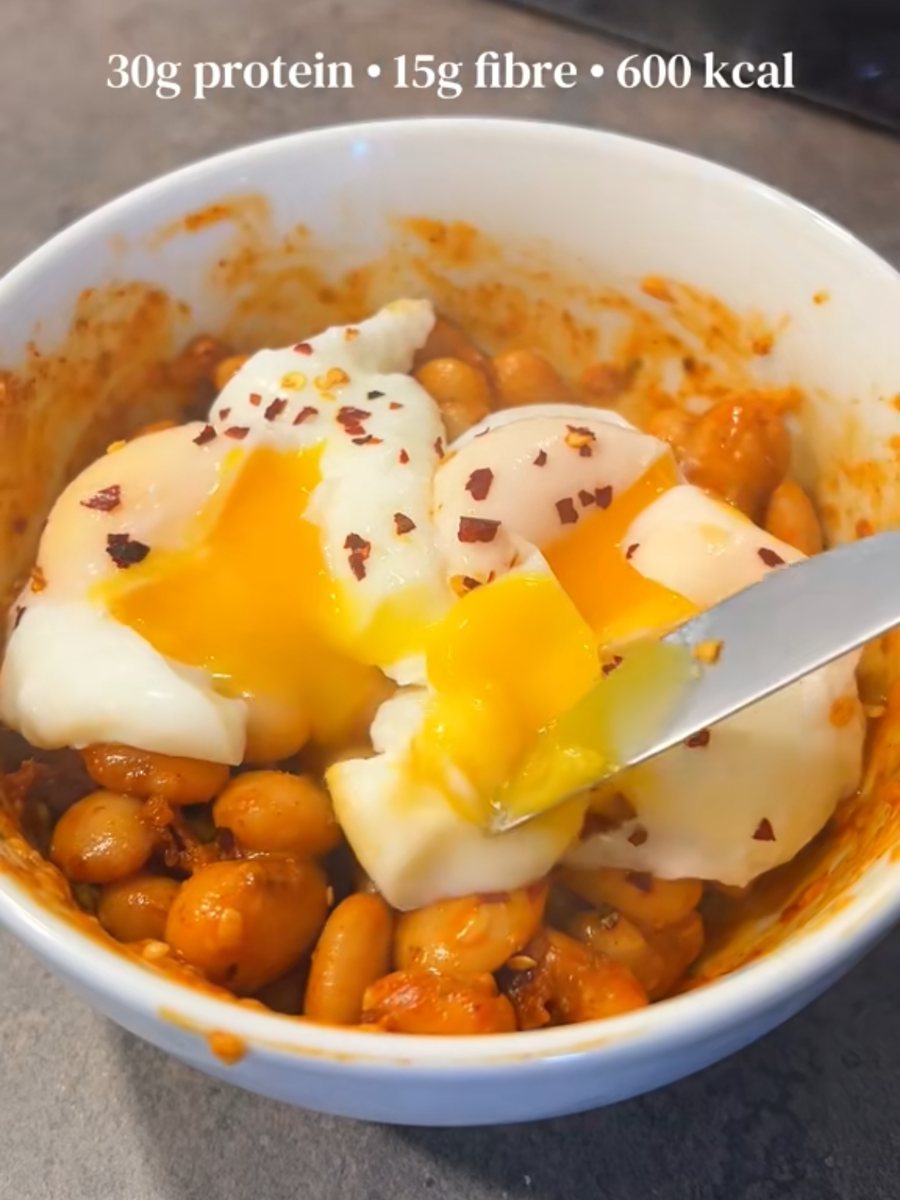
Put it into practice with recipes that pair your carbs with protein, fat and fibre.
Browse the recipes