About
Steady, not restrictive.
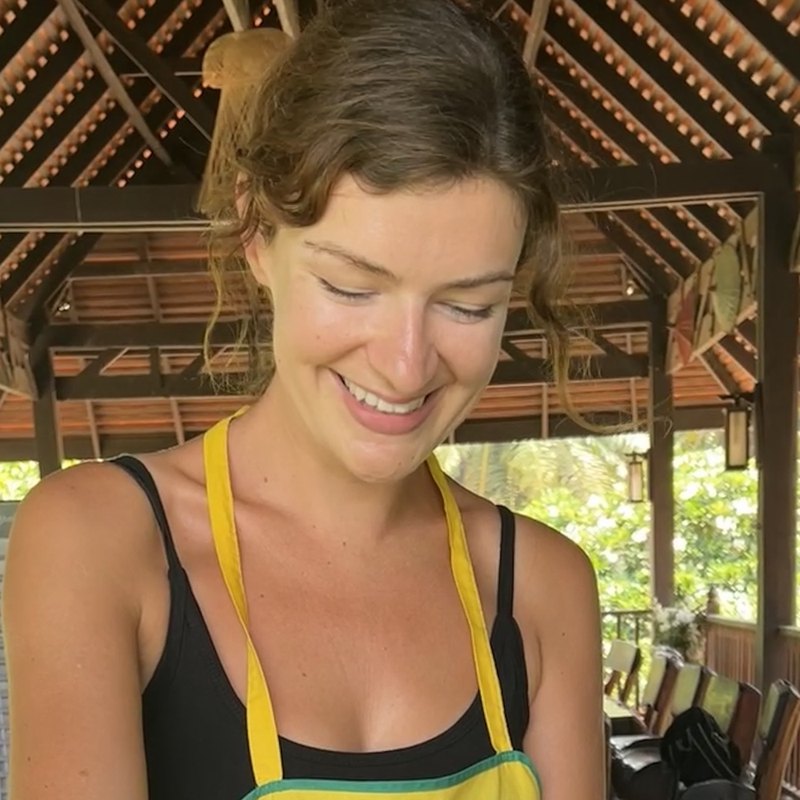
Hi, I'm Charlotte. Glucose Steady started as my way of managing PCOS without giving up the foods I love. Now it's where I share simple, evidence-backed recipes that keep carbs on the plate and energy steady.
How it started
Glucose Steady began in my own kitchen. Living with PCOS, I was determined to find a way to manage my symptoms naturally. I wanted to understand what my food was actually doing to my body and how it affected my condition, rather than blindly follow a PCOS diet that felt restrictive, unsatisfying and unsustainable. For many women with PCOS, insulin resistance sits at the heart of their symptoms, and food is one of the most powerful ways to influence it.
The more I read about managing my symptoms, the more I found things that matter for everyone, PCOS or not. The process of glycation fascinated me: when there’s a lot of glucose in the blood, some of it sticks to proteins in our cells and tissues, and over time this forms compounds called advanced glycation end products, or AGEs. The higher blood sugar rises, and the longer it stays there, the more of them form. It’s the same process the HbA1c blood test picks up, and it’s linked to how our cells age (Khalid et al., 2022).
That changed how I think about food. This isn't about weight or restriction. It's about quality of life: steadier energy, fewer crashes, and looking after my body for the long run.
As a qualified personal trainer, I've always loved nutrition. I started pairing my interests, knowledge and desire to be healthier with video editing, turning the meals I was making into short recipe reels on Instagram. When I saw people begin to get inspired by them, I realised that sharing what I'd learned this way was truly making a difference.
Everything here is grounded in evidence, not wellness trends. And looking after your blood sugar doesn't mean giving up bread, rice or pasta.
Cutting through the noise
The more I learned, the more I noticed how much of what we're told about food is confusing, contradictory or simply marketing. Diet trends come and go, and supermarket shelves are full of labels like "low fat", "no added sugar" and "high protein" that don't always mean what they seem. A low-fat yoghurt can be loaded with sugar. A "no added sugar" juice can still raise your blood sugar fast. A protein bar can be closer to a chocolate bar than a meal.
I want to strip it back to basics. Look past the front of the packet, understand what's actually on your plate, and build meals that work with your body. No miracle foods, no banned foods, just what the evidence shows and what I've learned along the way.
The idea: add, don't cut
Carbs eaten on their own tend to hit your bloodstream fast. Pair the same carbs with protein, fat and fibre, and they're digested more slowly, so the rise is gentler and the energy lasts longer. Every recipe here is built that way: real food you actually want to eat, adjusted so it works with your body rather than against it.
Who it's for
- People with PCOS or type 2 diabetes who want food that fits their life
- Anyone tired of the mid-afternoon energy crash
- People who care what food does to their body but don't want to follow a diet
How the numbers work
Every recipe lists approximate macros and an estimated real-life glycaemic load (GL). The GL starts from published GI values and is then adjusted for the protein and fat on the plate, using a correction from peer-reviewed research. The full method, with a worked example and references, is on How we calculate real-life GL.
Glucose Steady shares general information, not medical advice. If you have diabetes, PCOS or another condition, or take medication that affects your blood sugar, speak to your GP or care team before changing how you eat.