The same slice of toast can do something different to your blood sugar on a Monday than on a Saturday. What's on your plate matters most, but how you slept, whether you had coffee first, how stressed you are and what time it is all change how your body handles the same food.
A rise after eating is normal. A spike is when it rises fast and high, rather than gently. I explain the basics in what is a blood sugar spike. Here's what causes one, starting with the biggest factors.
On your plate
These have the biggest effect, and they're the ones you can change every time you eat.
1. The type and amount of carbs
Fast carbs in big portions raise blood sugar the most.
Some carbs are broken down into glucose much faster than others. White bread has a glycaemic index (GI) of around 75, while lentils and chickpeas sit below 40 [1]. The amount matters just as much: a slice of toast and three slices are very different meals. Glycaemic load (GL) takes both into account, which is why every recipe on this site shows one. There's more on that in how I work out real-life GL.
2. How processed the food is
The more a carb has been ground, puffed or pulped, the faster it's absorbed.
In a whole food, the starch and sugar are locked inside cell walls and fibre, which your gut has to break down first. Processing does that work for you. Grinding, flaking, puffing and juicing all break the structure open, so the glucose gets out faster.
When volunteers ate wheat as whole grains, cracked grains, coarse flour and fine flour, their insulin response went up at every step, and fine flour gave a 38% bigger insulin response than coarse flour [2]. Oats follow the same pattern: porridge made from rolled oats has a GI of around 55, while instant oat porridge is around 79 [1].
Fruit is the same. In a study of ten people eating the same amount of apple as whole apples, purée or juice, insulin rose higher after the purée and the juice. The juice was followed by a sharp drop in blood sugar, the purée by a smaller one, and the whole apples by none [3]. The juice was also the least filling, and it could be drunk 11 times faster than the apples could be eaten.
Processed carbs just need more company. My Wheat Bisk Cheesecake starts with wheat biscuits, which are fast on their own, so they come with Greek yoghurt, chia, oat bran and walnuts to slow them down.
3. Carbs eaten on their own
The same carbs land more gently when they come with protein, fat and fibre.
Protein, fat and fibre slow down how quickly your stomach empties, so glucose reaches your blood more gradually. In one study, adding protein and fat to a carb-based meal lowered the blood sugar response, and the more that was added, the lower it went [4]. That's the idea behind everything I cook: it's not what you cut, it's what you add.
4. The order you eat in
Veg and protein first, carbs last, gives a smaller rise from the same plate.
In a study of 11 people with type 2 diabetes, eating the chicken and vegetables before the bread and juice led to blood sugar that was around 29% lower after 30 minutes and 37% lower after an hour, compared with eating the carbs first. It was exactly the same meal, in a different order [5].
Around the meal
These change how your body handles the food. Most of the studies are small, but they point the same way.
5. A short night's sleep
Cutting sleep short makes your body less responsive to insulin the next day.
When nine healthy adults slept for four hours instead of eight, their insulin sensitivity the next morning fell by around 25%. That was after a single night [6]. Less sensitive to insulin means the same breakfast can push blood sugar higher than usual.
Broken sleep seems to matter less than short sleep. In a study at the University of Bath, waking people every hour through the night barely changed their blood sugar response the next morning [7].
6. Coffee on an empty stomach
Strong coffee before breakfast can make that breakfast hit harder.
In the same Bath study, drinking a strong black coffee before a sugary drink raised the blood sugar response by around 50% [7]. Caffeine temporarily makes you less sensitive to insulin. Coffee has long-term benefits too, which I cover in coffee and blood sugar, but having it with or after breakfast is kinder to your blood sugar than having it before.
7. Stress
Stress hormones make insulin work less well.
When you're stressed, your body releases cortisol and adrenaline to give you a burst of energy. These hormones make it harder for insulin to work, so glucose stays in your blood for longer [8]. In a study of people with type 2 diabetes, a stressful public-speaking and maths task after a standard meal left their blood sugar around 1.5 mmol/L higher than on a calm day with the same meal [9].
8. Sitting still after eating
A short walk after a meal helps your muscles soak up the glucose.
Your muscles use glucose for fuel, and moving them helps clear it from your blood. A review of trials found that even light walking, breaking up long periods of sitting, lowered blood sugar after meals compared with staying seated [10].
9. Eating late at night
The same meal can raise blood sugar more late in the evening.
In a trial of 20 healthy adults, eating the same dinner at 10pm instead of 6pm led to a peak blood sugar around 18% higher, and they burned about 10% less fat overnight. Everyone went to bed at 11pm, so the only difference was when they ate [11].
Why your response isn't the same as anyone else's
Everything above is an average. In one study, researchers tracked the blood sugar of 800 people and found that responses to identical meals varied hugely from person to person [12]. Your genes, your gut bacteria, your activity and your sleep all play a part. That's why any GL figure, including mine, is a guide rather than a guarantee.
At a glance
| What raises it | What helps |
|---|---|
| Fast carbs, big portions | Slower carbs, sensible portions |
| Heavily processed carbs | Whole or less processed versions, or more company |
| Carbs on their own | Add protein, fat and fibre |
| Carbs first | Veg and protein first, carbs last |
| A short night | More company for the next day's carbs |
| Coffee before breakfast | Coffee with or after breakfast |
| Stress | Whatever calms you down, and steady meals |
| Sitting after meals | A short walk |
| Late dinners | Eating earlier, or a walk afterwards |
General information only, not medical advice. If you have diabetes or take medication that affects your blood sugar, speak to your GP or care team before changing how you eat.
Sources
- Atkinson FS, Foster-Powell K, Brand-Miller JC (2008). International tables of glycemic index and glycemic load values: 2008. Diabetes Care (Table 1).
- Heaton KW, Marcus SN, Emmett PM, Bolton CH (1988). Particle size of wheat, maize, and oat test meals: effects on plasma glucose and insulin responses and on the rate of starch digestion in vitro. American Journal of Clinical Nutrition 47(4):675–682.
- Haber GB, Heaton KW, Murphy D, Burroughs LF (1977). Depletion and disruption of dietary fibre: effects on satiety, plasma-glucose, and serum-insulin. The Lancet 2(8040):679–682.
- Moghaddam E, Vogt JA, Wolever TMS (2006). The effects of fat and protein on glycemic responses in nondiabetic humans vary with waist circumference, fasting plasma insulin, and dietary fiber intake. Journal of Nutrition 136:2506–2511.
- Shukla AP, et al. (2015). Food order has a significant impact on postprandial glucose and insulin levels. Diabetes Care. Summary via Weill Cornell Medicine.
- Donga E, et al. (2010). A single night of partial sleep deprivation induces insulin resistance in multiple metabolic pathways in healthy subjects. Journal of Clinical Endocrinology & Metabolism 95(6):2963–2968.
- Smith HA, et al. (2020). Glucose control upon waking is unaffected by hourly sleep fragmentation during the night, but is impaired by morning caffeinated coffee. British Journal of Nutrition.
- Diabetes UK. Stress and diabetes.
- Faulenbach M, et al. (2012). Effect of psychological stress on glucose control in patients with Type 2 diabetes. Diabetic Medicine 29(1):128–131.
- Buffey AJ, et al. (2022). The acute effects of interrupting prolonged sitting time in adults with standing and light-intensity walking on biomarkers of cardiometabolic health: a systematic review and meta-analysis. Sports Medicine.
- Gu C, et al. (2020). Metabolic effects of late dinner in healthy volunteers: a randomized crossover clinical trial. Journal of Clinical Endocrinology & Metabolism 105(8):2789–2802. Summary via the Endocrine Society.
- Zeevi D, et al. (2015). Personalized nutrition by prediction of glycemic responses. Cell 163(5):1079–1094.
Recipes to try
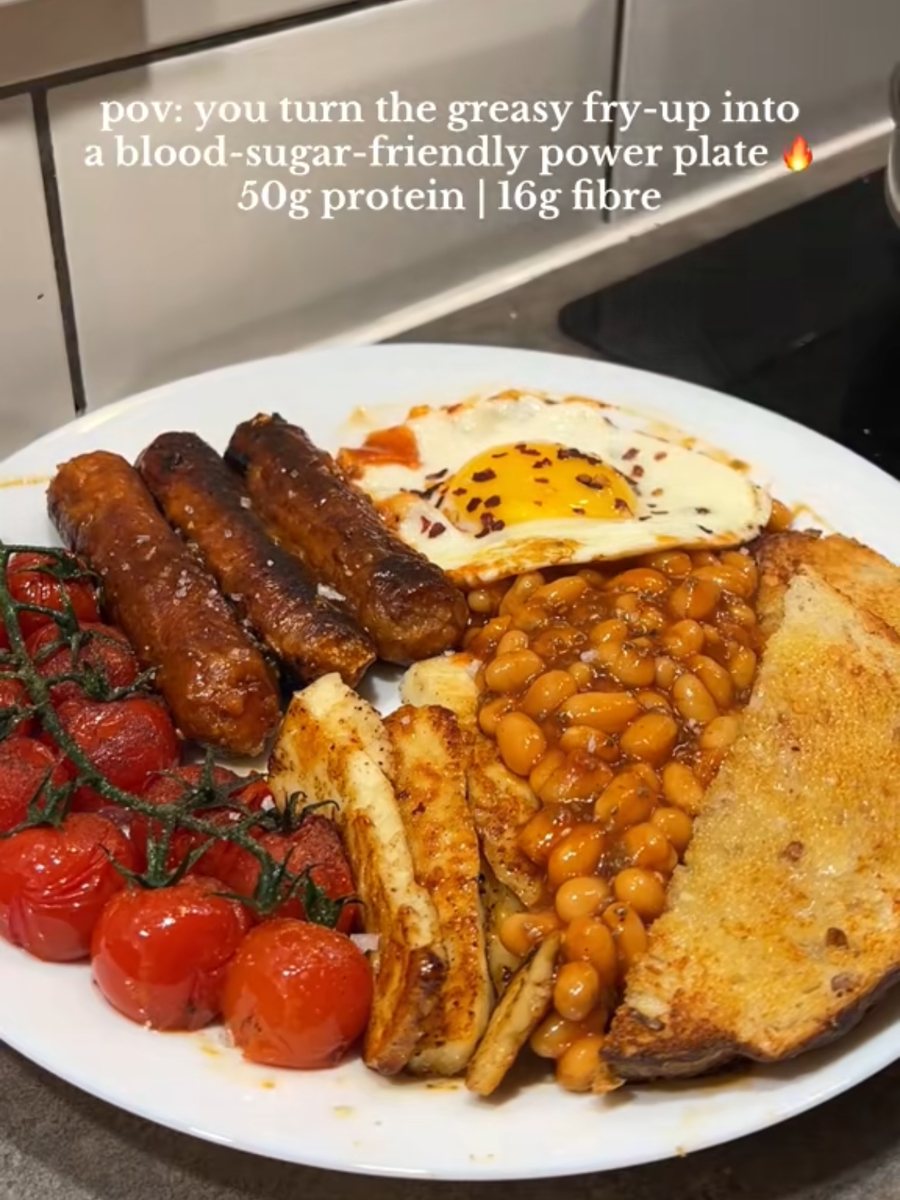

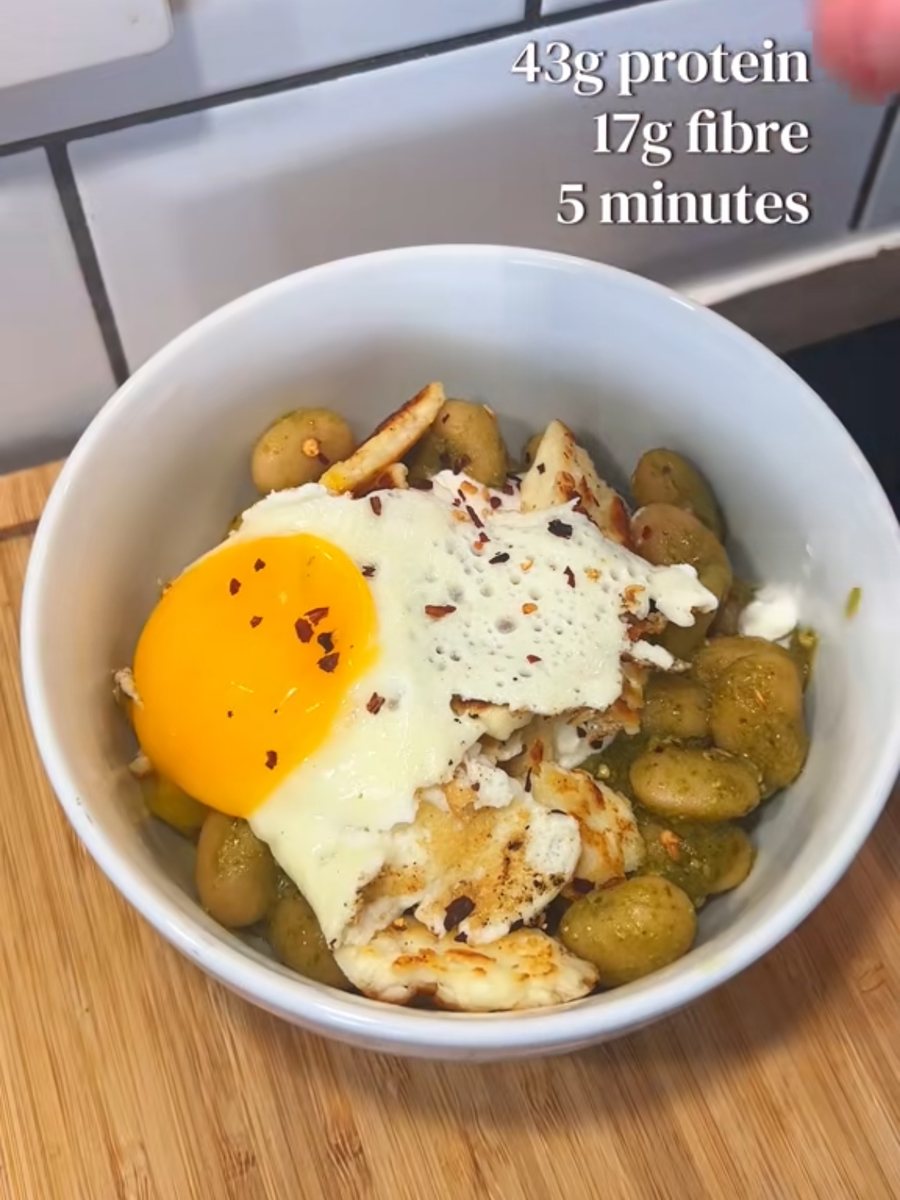
Put it into practice with recipes that pair your carbs with protein, fat and fibre.
Browse the recipes