"Blood sugar spike" gets mentioned everywhere, often as if every one is a disaster. So let's start from the beginning: what it actually is, what's normal, and when it's worth paying attention to.
First, what is blood sugar?
Blood sugar, or blood glucose, is the amount of glucose (a type of sugar) in your blood. It's your body's main fuel. When you eat carbohydrates, from bread, rice, fruit, pasta or sweets, your body breaks them down into glucose, which passes into your blood.
Your pancreas then releases insulin, a hormone that moves the glucose out of your blood and into your cells, where it's used for energy or stored. So after a meal, your blood sugar goes up, and then insulin brings it back down.
So what's a spike?
A "spike" isn't a medical term with an exact definition. It usually describes a rise in blood sugar that's fast and high, rather than gentle. Often it's followed by a dip, where blood sugar drops back down quickly, sometimes below where it started.
For context, in people without diabetes, blood sugar is usually between 4.0 and 5.4 mmol/L before eating, and up to 7.8 mmol/L two hours after a meal [1]. Rising after you eat is completely normal. A spike is about how fast and how high it goes.
What causes one?
Mostly, it's carbohydrates that are digested quickly and eaten on their own: a slice of white toast with jam, a bowl of sugary cereal, a glass of juice, a pastry on an empty stomach. Nothing slows them down, so the glucose arrives all at once.
When the same carbs come with protein, fat and fibre, your stomach empties more slowly and the glucose trickles in instead. In one study, adding chicken, oil and salad to mashed potato made a clear difference to the blood sugar response [2]. That's the idea behind every recipe on this site.
Why the drop happens
When glucose floods into your blood quickly, your pancreas responds with a big release of insulin to deal with it. The catch is timing. Fast carbs are absorbed and used up quickly, but the insulin keeps working for a while after. So your blood sugar gets pushed back down fast, and can fall below where it started. That's the dip.
A small study in teenage boys showed this pattern clearly. After a high-GI breakfast, their blood sugar and insulin rose highest and fastest. Within a few hours, their blood sugar had dropped significantly, along with a rise in the stress hormone adrenaline. At lunch, they ate nearly twice as much as after a low-GI breakfast [7]. It was a small study, but it's a neat picture of the spike-and-dip cycle.
When carbs come with protein, fat and fibre, the glucose arrives over a longer time. There's less of a sudden flood for insulin to chase, and less of a crash afterwards.
How does it feel?
Often, you won't feel the spike itself. You're more likely to notice what comes after: the dip. That's the energy slump, the shakiness, or the sudden hunger an hour or two after a meal, even though you've only just eaten.
Why it can lead to weight gain
That hunger is the dip doing its job. When your blood sugar falls quickly, your body reads it as a signal to find more fuel. So you get hungry again sooner than you'd expect, and reach for a snack, often something sweet or starchy that starts the cycle again.
A study of over 1,000 people wearing glucose monitors measured this. People whose blood sugar dipped the most two to three hours after breakfast felt 9% hungrier, ate their next meal about half an hour sooner, and ate around 312 more calories over the day than people with smaller dips [3]. The researchers estimated that, if that pattern carried on every day, it could add up to around 20 pounds over a year.
That last figure is a projection, not something they measured, and the study was part-funded by ZOE, a company that sells glucose-tracking programmes. Weight is also about far more than blood sugar. But it shows the mechanism clearly: it's not that a spike magically turns into fat, it's that the crash afterwards makes you hungrier, so you end up eating more without meaning to. And high insulin is a storage signal too, which I've written about in why insulin matters.
This is why the recipes here are full meals, not light ones. A plate that keeps your blood sugar steady keeps you full, so you're not fighting your own hunger all afternoon.
Is a spike bad for you?
One spike, no. Your body is built to handle a rise after eating. What matters is the bigger pattern: how high your blood sugar goes, how often, and how long it stays there. That's where things like glycation and high insulin come in, and why it matters more if you have PCOS, insulin resistance, prediabetes or type 2 diabetes.
It's also worth saying: the goal isn't a perfectly flat line. Early research presented in 2026 found that people with diabetes who tried to keep their glucose too tightly controlled seemed to feel worse day to day, possibly because of the restriction it takes [4]. Steady, not flat, is the aim.
How to make the rise gentler
- Give your carbs company. Add protein, fat and fibre to every carb you eat. Eggs on toast, not jam on toast.
- Choose slower carbs where it's easy. Grainy bread, basmati rice, beans and oats, over white bread and sugary cereal.
- Eat your veg and protein first. Having the carbs last in a meal has been shown to lower the rise afterwards [5].
- Take a short walk after eating. A review of trials found that light walking after a meal lowered blood sugar more than sitting or standing [6].
- Have sweet things after a meal, not on an empty stomach.
Every recipe on this site shows a real-life GL: an estimate of how much that meal is likely to raise your blood sugar, so you can see these ideas in action.
This is general information, not medical advice. If you have diabetes or take medication that affects your blood sugar, follow the targets your care team gives you.
Sources
- British Heart Foundation. Blood sugar levels: what is normal?
- Hätönen KA, et al. (2011). Protein and fat modify the glycaemic and insulinaemic responses to a mashed potato-based meal. British Journal of Nutrition.
- Wyatt P, et al. (2021). Postprandial glycaemic dips predict appetite and energy intake in healthy individuals. Nature Metabolism.
- Ehrmann D, et al. (2026). Presented at the EASD Annual Meeting, Milan. Reported by ScienceDaily.
- Shukla AP, et al. (2015). Food order has a significant impact on postprandial glucose and insulin levels. Diabetes Care.
- Buffey AJ, et al. (2022). The acute effects of interrupting prolonged sitting time in adults with standing and light-intensity walking on biomarkers of cardiometabolic health: a systematic review and meta-analysis. Sports Medicine.
- Ludwig DS, et al. (1999). High glycemic index foods, overeating, and obesity. Pediatrics. Summary via USDA Agricultural Research Service.
Recipes to try

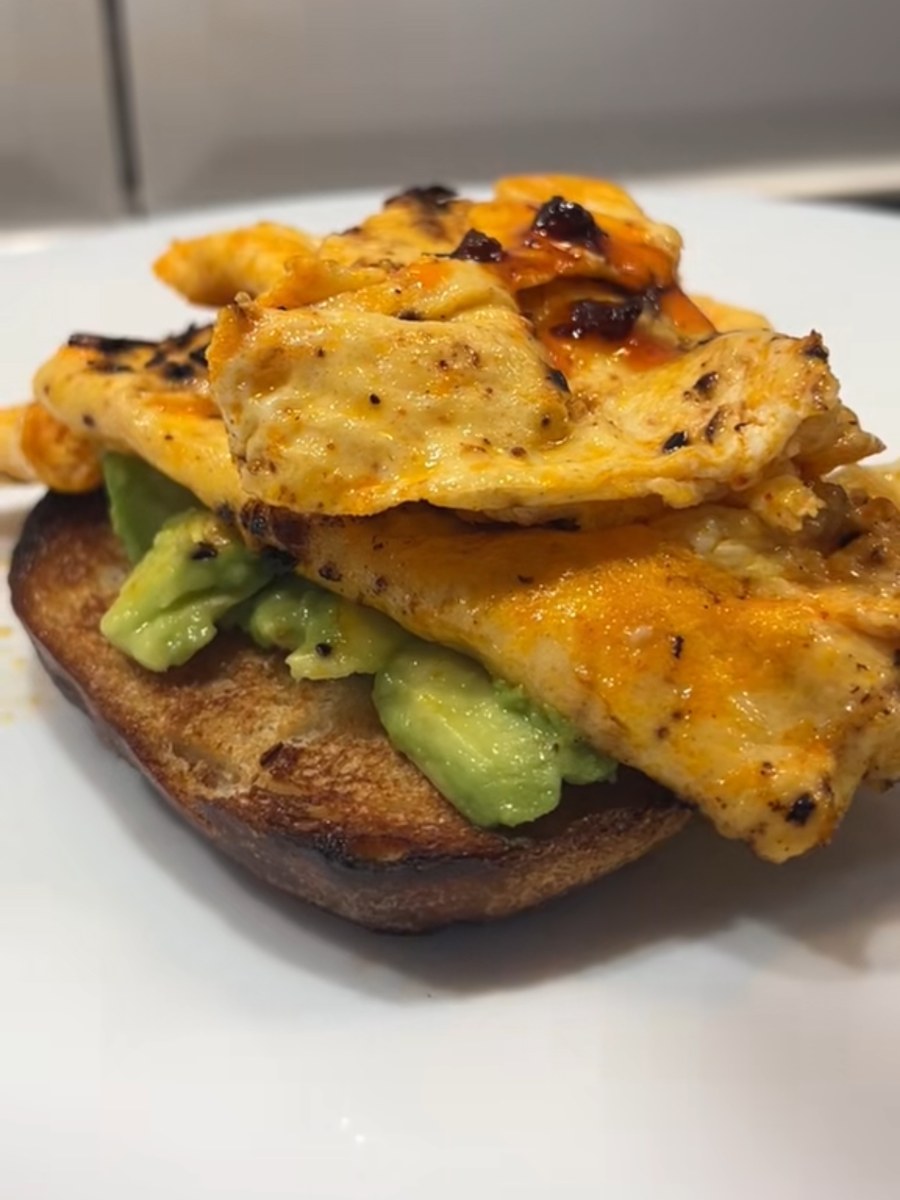

Put it into practice with recipes that pair your carbs with protein, fat and fibre.
Browse the recipes