Protein raises insulin. And high insulin can be harmful in its own right, not just high blood sugar. So why isn't protein a problem? Because the harm comes from insulin staying raised for long stretches of the day, and eating more protein hasn't been shown to cause that.
Yes, high insulin itself can be harmful
For a long time, high blood sugar got most of the blame. But experiments show insulin can cause problems even when blood sugar is normal.
In one study, healthy volunteers had insulin dripped into a vein for 40 hours, keeping it at the levels seen in people with obesity. Afterwards, their bodies were slightly worse at using glucose: they had become a little insulin resistant [1]. In another, keeping insulin high for four days cut how well the body cleared glucose by 20–40%, again with blood sugar held normal [2]. The researchers concluded that high insulin isn't only a response to insulin resistance; it can help cause it.
Both experiments kept insulin high continuously, day and night, for days. That's very different from insulin rising after a meal and falling again.
A 2026 review in Nature Reviews Endocrinology makes the same point. What seems to matter most is your total exposure: how long insulin stays raised across the day. Your fasting insulin, the level between meals, is the best guide to that. The researchers found reasonable evidence that insulin which stays high contributes to weight gain. Whether rises after meals matter on their own hasn't been properly tested [3].
That's why how you eat across the day matters. Fast carbs on their own, meal after meal, or grazing from morning to night keeps insulin raised for more of the day. Full plates with protein, fat and fibre, and proper gaps between meals, help it come back down. I go into this in why insulin matters.
So the question for protein is whether it keeps your insulin raised between meals. That's what the long-term trials measured.
What the trials show
Researchers have tested this by putting people on higher-protein diets for months and measuring what happens.
- Type 2 diabetes: a review of 13 randomised trials, with 1,138 people in total, found that higher-protein diets didn't worsen blood sugar control. Insulin resistance actually improved slightly. It was measured with HOMA-IR, which is calculated from fasting insulin and fasting blood sugar, so it reflects insulin between meals, the kind that matters [4].
- PCOS: in a six-month trial, women with PCOS on a higher-protein diet lost 4.4kg more than those on a standard diet, and their blood sugar fell further, even after accounting for the extra weight loss [5].
If protein's insulin rises were pushing people towards insulin resistance, these trials would have shown things getting worse. They showed the opposite.
How big the rise is
In a well-known study, researchers gave people 240-calorie portions of different foods and compared the insulin response with white bread, which scored 100 [6]. Beef scored 51, fish 59, cheese 45 and eggs 31. Potatoes scored 121 and jellybeans 160. Calorie for calorie, protein foods raised insulin less than starchy and sugary foods.
A real meal brings it down further. In one study, adding chicken to mashed potato pushed insulin higher than potato on its own. Adding oil as well brought insulin below plain potato, and with salad added too, the meal's GI halved, from 108 to 54 [7].
Why protein doesn't make your blood sugar drop
Protein triggers insulin even when no sugar is coming in. On its own, that insulin would pull your blood sugar down, because insulin moves glucose into your cells and tells your liver to stop releasing it. So protein also triggers glucagon, the hormone that tells your liver to release glucose.
Both hormones rise at the same time, and their effects on blood sugar cancel out. In one study, a dose of whey protein raised insulin to about six times its starting level and glucagon to about eight times. The glucose being taken up by the body rose by about 25%, and so did the glucose released by the liver, so blood sugar stayed level [8].
What we don't know yet
Some large observational studies have linked higher protein intake, particularly from animal foods, with a slightly higher risk of type 2 diabetes. One analysis of 11 studies found a 12% higher risk with the highest total protein intakes and 14% with the highest animal protein intakes. Plant protein was linked to a lower risk in women [9].
Studies like these can't show that protein is the cause. People who eat a lot of animal protein often eat more processed meat and differ in other ways too. A 2023 review for the German Nutrition Society rated the link with total protein as "possible" and the evidence for animal protein as "insufficient", and noted that trials measuring blood sugar don't show a harmful effect [10].
That's why I mix my protein: chicken, fish and eggs, but also beans, lentils, tofu, edamame and Greek yoghurt. And I eat it as part of a full plate, with carbs, fat and fibre. It's not what you cut. It's what you add.
General information only, not medical advice. If you have kidney disease, speak to your GP or care team before increasing your protein. If you have diabetes or take medication that affects your blood sugar, check with them before changing how you eat.
Sources
- Rizza RA, et al. (1985). Production of insulin resistance by hyperinsulinaemia in man. Diabetologia 28:70–75.
- Del Prato S, et al. (1994). Effect of sustained physiologic hyperinsulinaemia and hyperglycaemia on insulin secretion and insulin sensitivity in man. Diabetologia 37:1025–1035.
- Guess N, Johnson JD, Vaag A, et al. (2026). Hyperinsulinaemia as a cause of obesity and cardiometabolic diseases. Nature Reviews Endocrinology 22:433–443.
- Yu Z, et al. (2020). Effects of high-protein diet on glycemic control, insulin resistance and blood pressure in type 2 diabetes: a systematic review and meta-analysis of randomized controlled trials. Clinical Nutrition 39(6):1724–1734.
- Sørensen LB, et al. (2012). Effects of increased dietary protein-to-carbohydrate ratios in women with polycystic ovary syndrome. American Journal of Clinical Nutrition 95(1):39–48.
- Holt SHA, Brand Miller JC, Petocz P (1997). An insulin index of foods: the insulin demand generated by 1000-kJ portions of common foods. American Journal of Clinical Nutrition 66:1264–1276.
- Hätönen KA, et al. (2011). Protein and fat modify the glycaemic and insulinaemic responses to a mashed potato-based meal. British Journal of Nutrition.
- Ang T, et al. (2019). Postprandial aminogenic insulin and glucagon secretion can stimulate glucose flux in humans. Diabetes 68(5):939–946.
- Tian S, et al. (2017). Dietary protein consumption and the risk of type 2 diabetes: a systematic review and meta-analysis of cohort studies. Nutrients 9(9):982.
- Schulze MB, et al. (2023). Protein intake and type 2 diabetes mellitus: an umbrella review of systematic reviews for the evidence-based guideline for protein intake of the German Nutrition Society. European Journal of Nutrition.
Recipes to try
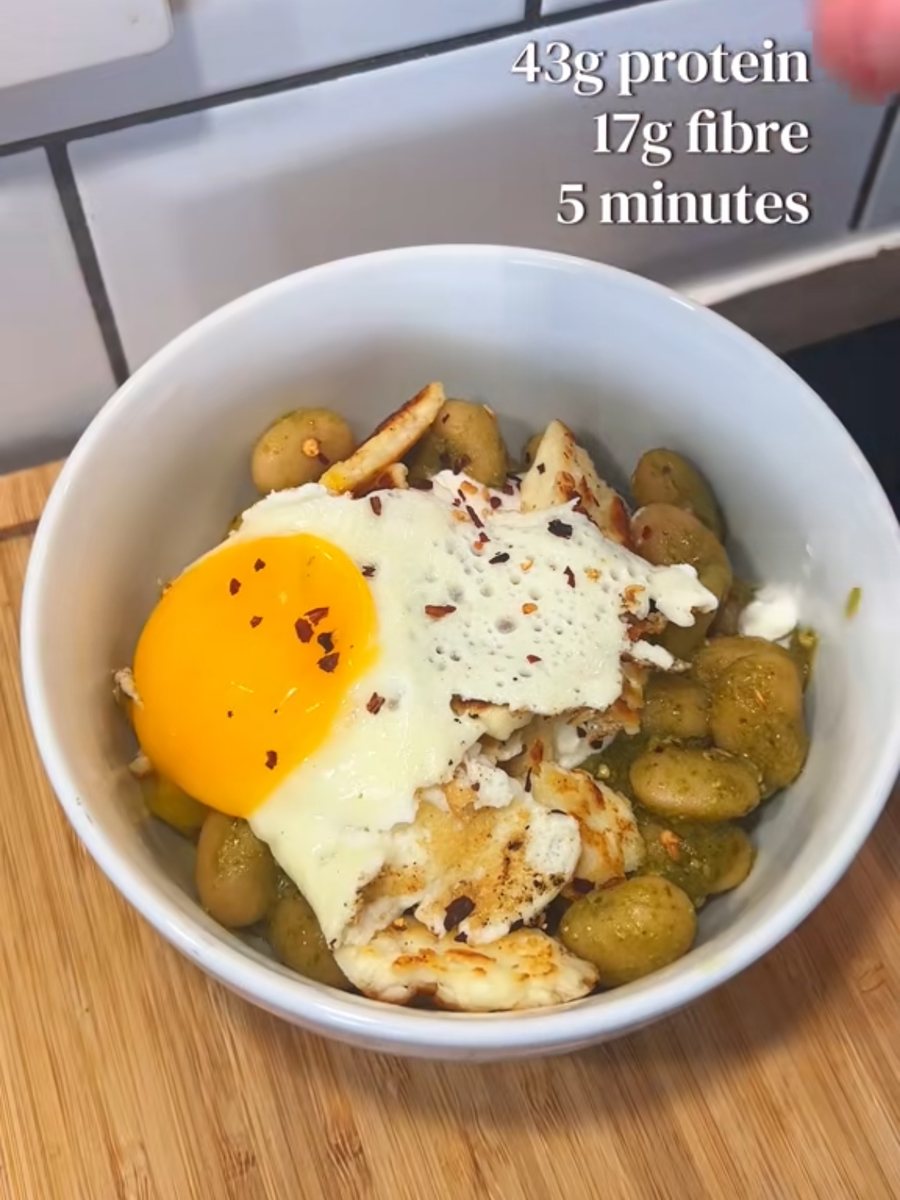
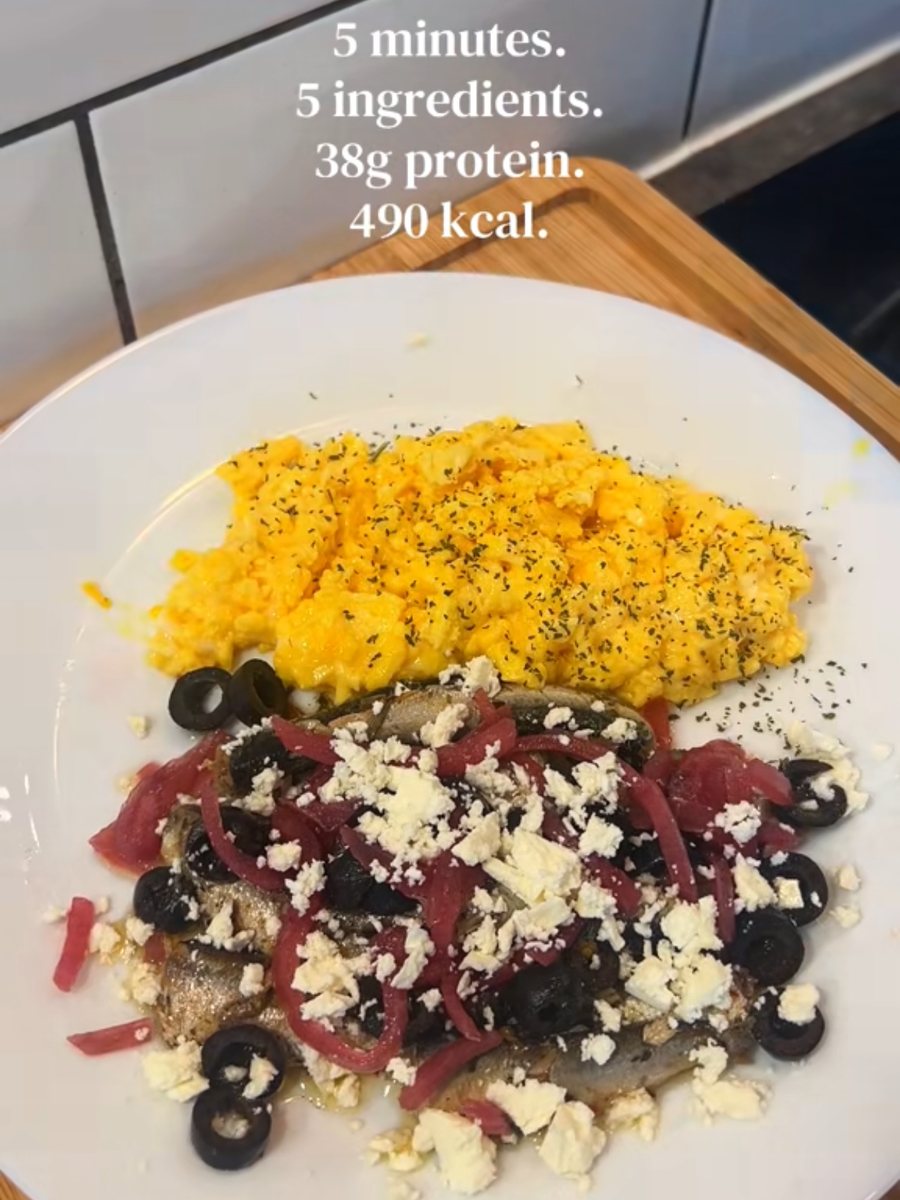
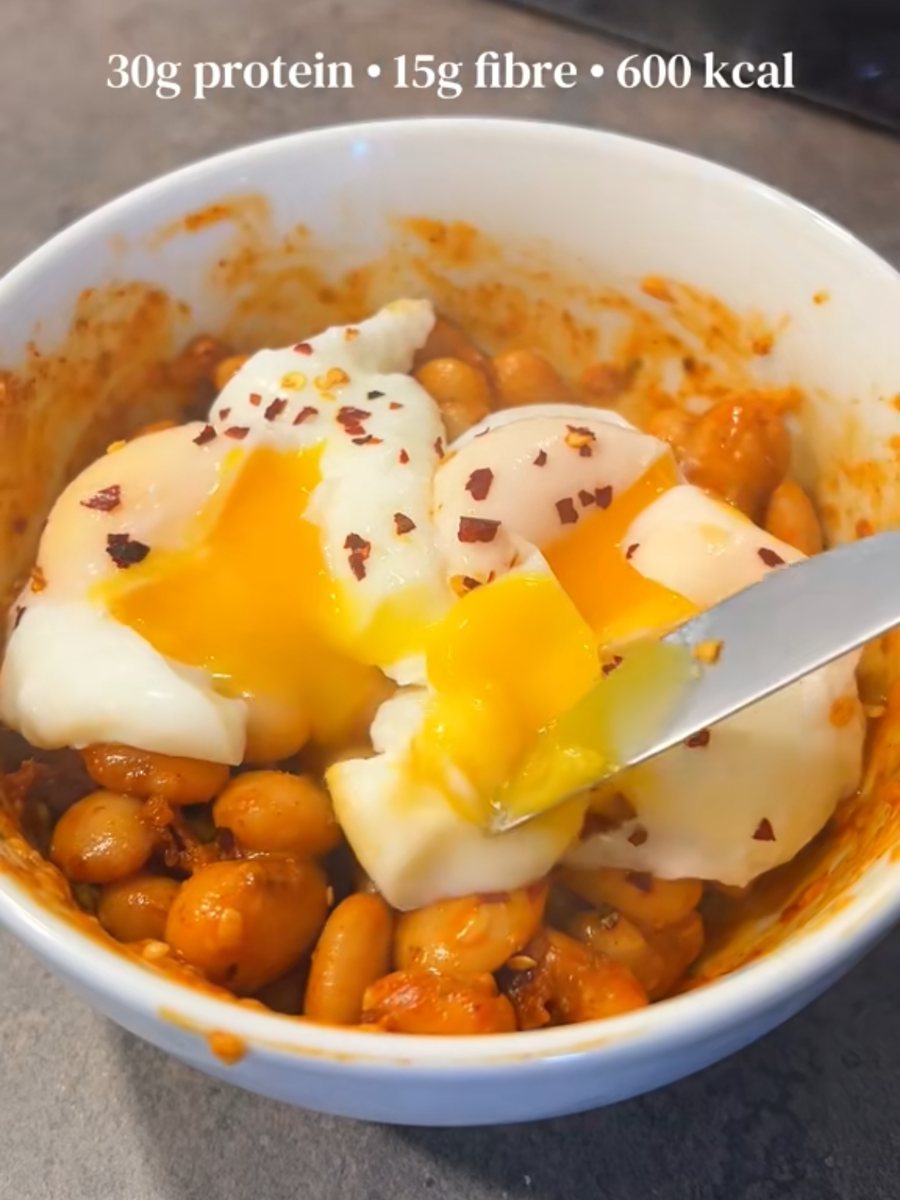
Put it into practice with recipes that pair your carbs with protein, fat and fibre.
Browse the recipes