PCOS comes with a long list of symptoms, and insulin often gets mentioned in passing without much explanation. But a lot of what PCOS does runs through blood sugar and insulin. Here's how they fit together, symptom by symptom.
First: PCOS has a new name
In 2026, after a decade-long process involving dozens of patient groups and medical societies, PCOS was officially renamed PMOS: polyendocrine metabolic ovarian syndrome [1]. The NHS now uses the new name too [2].
The reason matters. "Polycystic" made it sound like a problem with cysts on the ovaries. The new name puts the focus where it belongs: hormones ("polyendocrine") and metabolism. I'll use both names for now, because most people still know it as PCOS.
Where insulin comes in
Many people with PCOS have insulin resistance: their cells don't respond to insulin as well as they should. To keep blood sugar in range, the pancreas makes more insulin to compensate. Those higher insulin levels don't just affect blood sugar. They affect the ovaries too, which respond by making more testosterone [3].
Insulin also lowers SHBG, a protein that binds to testosterone and keeps it in check. So you end up with more testosterone being made, and more of it free to act [4]. That combination is behind a lot of the symptoms below.
Symptom by symptom
Irregular or missing periods. Higher testosterone and disrupted hormone signals can interfere with ovulation, so periods become irregular or stop. This is one of the most common signs of PCOS [2].
Acne and oily skin. More free testosterone drives more oil production in the skin, which can lead to breakouts, often along the jaw and chin [2].
Unwanted hair growth. The same excess testosterone can cause thicker, darker hair on the face, chest or stomach [2].
Hair thinning. Paradoxically, higher androgen levels can also thin the hair on your head [2].
Weight gain, especially around the middle. Insulin is a storage hormone: while it's high, it tells your body to store energy and hold off burning fat. That's one reason many people with PCOS find weight easy to gain and hard to lose [2]. I've written more about this in why insulin matters.
Dark, velvety patches of skin. Thick, darker patches on the neck or in the armpits, called acanthosis nigricans, are listed by the NHS as a PMOS symptom [2]. They're a visible sign that insulin is running high, so they're worth mentioning to your GP.
Tiredness and cravings. The NHS lists fatigue as a symptom too [2]. If your meals cause big blood sugar spikes and dips, the dips can leave you tired and hungry soon after eating, which makes cravings harder to fight. I've explained that cycle in what is a blood sugar spike.
The long-term picture
PMOS also raises the risk of type 2 diabetes, high blood pressure, heart disease and fatty liver disease later in life [2]. That's not meant to scare you. It's the reason looking after your blood sugar and insulin now is worth it, symptoms or not.
What helps
The good news is that insulin is something food can influence every day.
- You don't need to cut carbs. The international PCOS guideline doesn't recommend any one diet over another, and it warns against overly restrictive ones [5]. I've covered this in do you need to cut carbs for PCOS.
- Choose slower carbs and give them company. In one trial, women with PCOS on a lower-GI diet saw bigger improvements in insulin sensitivity, and more of them got more regular cycles [6].
- Eat proper meals. Full plates with protein, fat and fibre keep blood sugar steadier and help cut the spike-and-dip cycle that drives cravings.
- Move, especially after meals. Even a short walk after eating helps your muscles use glucose.
- Talk to your GP. Medication such as metformin can help some people with PMOS, and your GP can check your insulin resistance and long-term risks [2].
The guideline also makes a point I love: a healthy lifestyle has benefits even without weight loss [5]. This isn't about shrinking yourself. It's about giving your hormones a calmer place to work from.
This is general information, not medical advice. If you think you might have PCOS/PMOS, or you're managing it already, speak to your GP or care team about what's right for you.
Sources
- American Society for Reproductive Medicine (2026). PCOS is PMOS: understanding the name change.
- NHS. Polyendocrine metabolic ovarian syndrome (PMOS).
- Leeds Teaching Hospitals NHS Trust. Polycystic ovary syndrome.
- Mayer SB, Evans WS, Nestler JE (2015). Polycystic ovary syndrome and insulin: our understanding in the past, present and future. Women's Health.
- Teede HJ, et al. (2023). Recommendations from the 2023 International Evidence-based Guideline for the Assessment and Management of Polycystic Ovary Syndrome. Journal of Clinical Endocrinology & Metabolism.
- Marsh KA, et al. (2010). Effect of a low glycemic index compared with a conventional healthy diet on polycystic ovary syndrome. American Journal of Clinical Nutrition.
Recipes to try
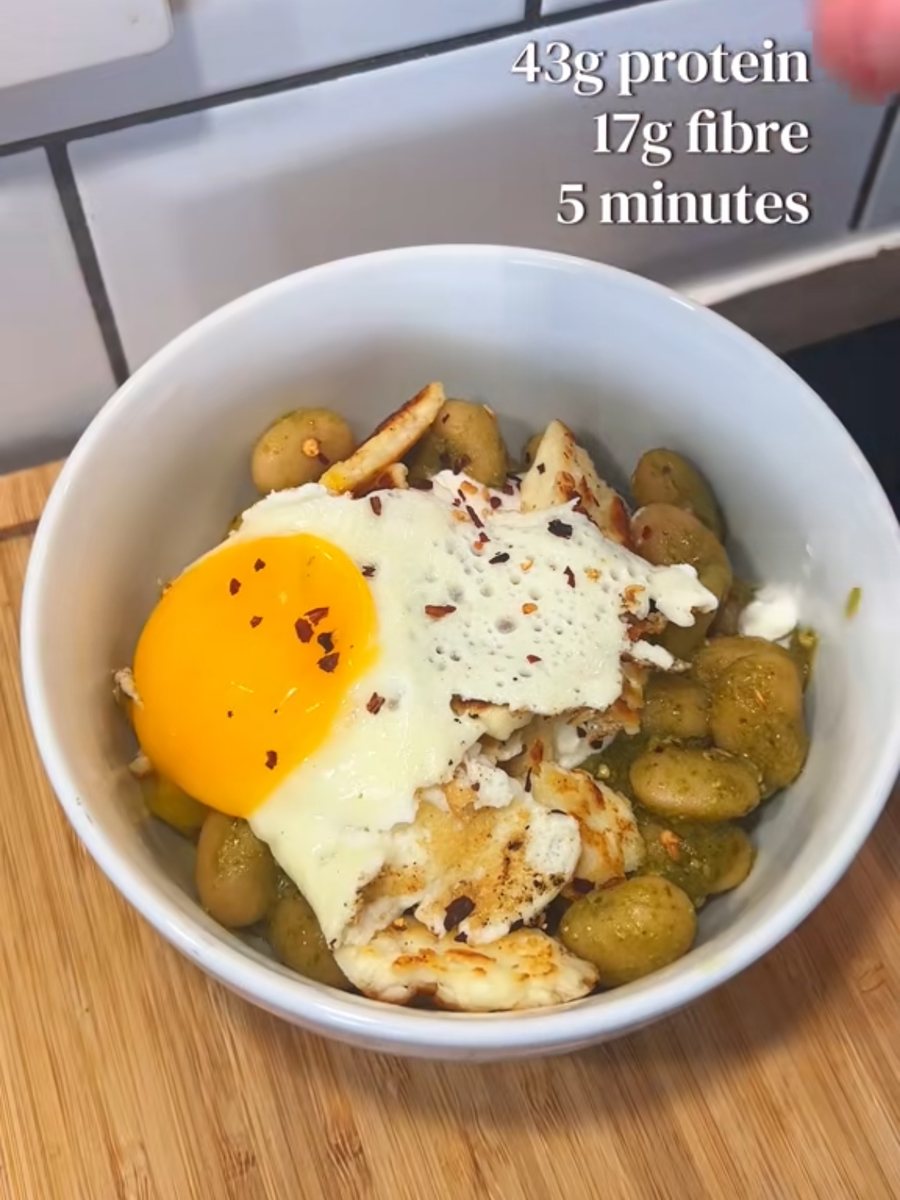
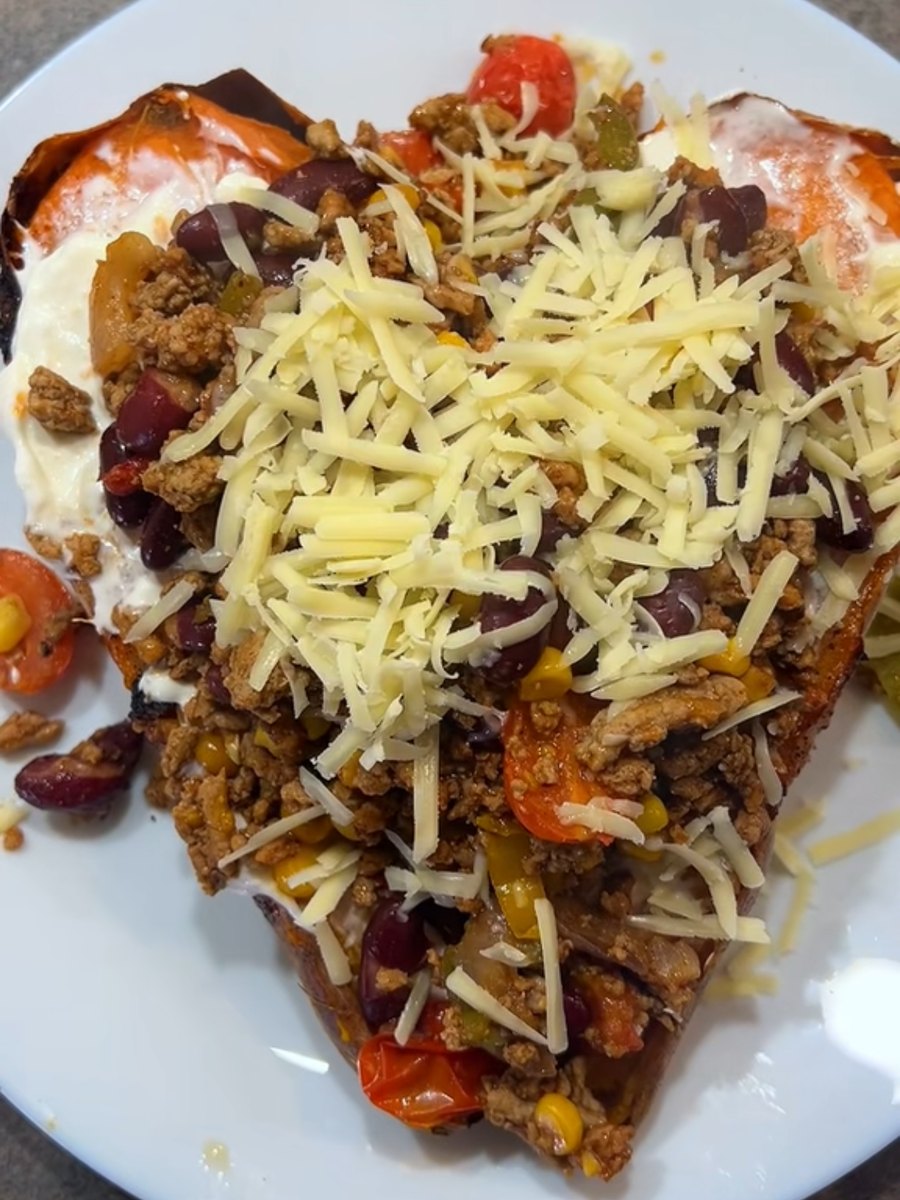
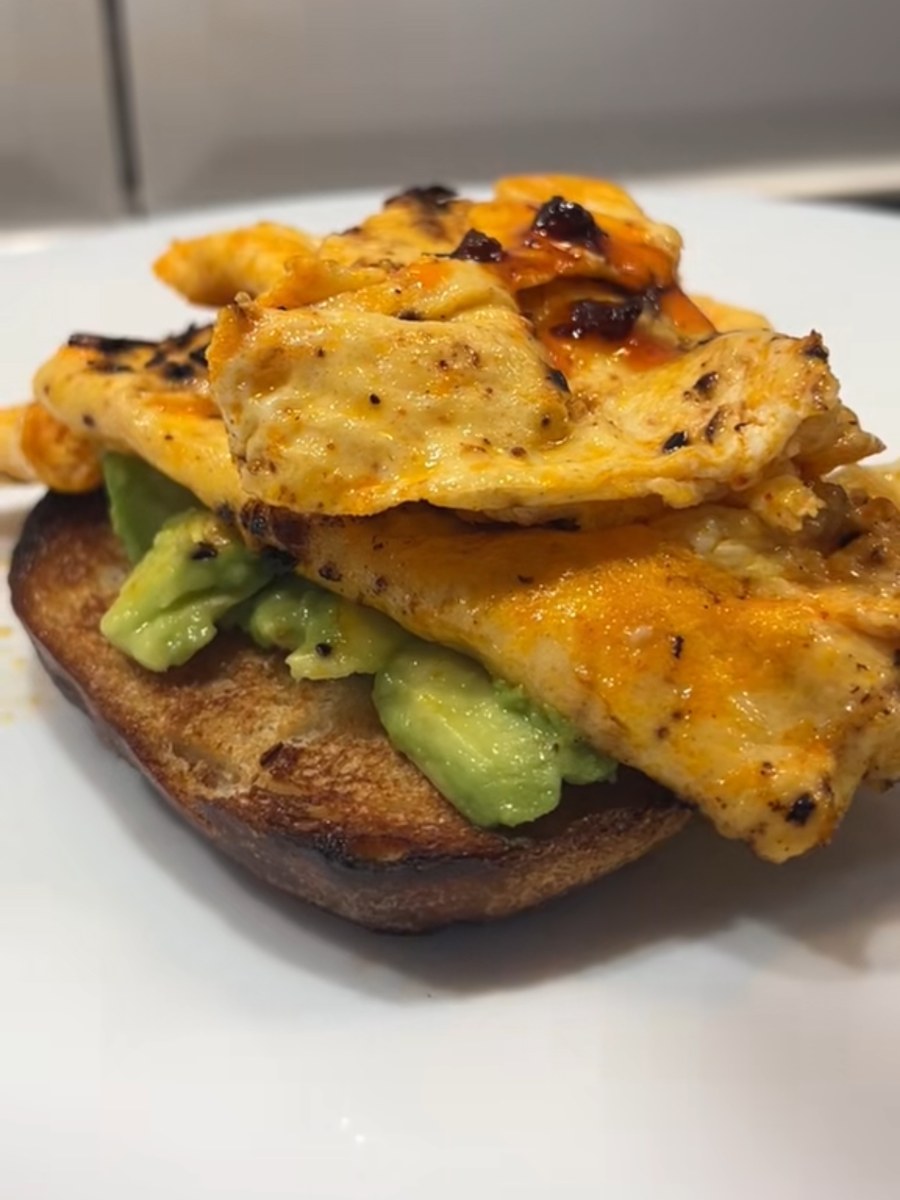
Put it into practice with recipes that pair your carbs with protein, fat and fibre.
Browse the recipes