Most of what I write about is what goes on your plate. This one's about what your plate, pan and chopping board are made of, because there's a blood sugar angle here too.
I care about what my food touches, but I don't want to scaremonger. A lot of what's online about "toxic cookware" is fear first, evidence second. So here's what the research actually shows, what we still don't know, and what I do in my own kitchen.
The short version
- Plastic chopping boards shed microplastics into food. The health effects aren't known yet, but it's an easy exposure to cut.
- Wooden boards are at least as hygienic as plastic when you look after them.
- Non-stick pans shed particles once they're scratched. If you use them, replace them when the coating's damaged.
- Stainless steel has no coating to wear off, but new pans release small amounts of nickel, which matters if you have a nickel allergy.
- Don't microwave food in plastic. Use glass or ceramic instead.
Where blood sugar comes in
Non-stick coatings belong to a family of chemicals called PFAS, and researchers have been looking at how they affect metabolism. In one large US study, women with higher blood levels of two PFAS (PFOA and PFOS) had a higher risk of developing type 2 diabetes over the following years [7]. A 2022 review of the research found the link was most consistent in long-term studies that followed people over time [8].
The evidence is still mixed, and these are associations, not proof that PFAS cause diabetes. The research on microplastics and metabolism is at an even earlier stage. But if you're already looking after your insulin sensitivity, whether that's for PCOS, type 2 diabetes or steady energy, cutting exposures you don't need is a cheap, sensible extra. It's the same idea as the rest of this site: small changes that add up.
Chopping boards: plastic, wood or glass?
Plastic. Every time a knife cuts into a plastic board, it scrapes off tiny particles. A 2023 study estimated that chopping on plastic boards could add tens of millions of microplastic particles to a person's food every year [1]. In the same study, those particles didn't harm mouse cells in the lab, so this isn't proof of harm. But microplastics are an exposure that's easy to avoid, so I'd rather not add them to my dinner.
Wood. Wooden boards shed particles too, but they're wood fibres, not plastic. And on hygiene, wood holds up well. A classic study found that the idea that plastic boards are more hygienic than wood "is not supported": bacteria on clean wood dropped off quickly, while bacteria on plastic could survive and even multiply overnight [2].
Glass. This is what I've been using, and it's hygienic and doesn't shed anything. The downside is real, though: it blunts knives fast, and food slides around on it. It's why I'm rethinking mine.
How to look after a wooden board
This is the bit that put me off wood for years, but it's simpler than I thought:
- Wash it straight after use with hot, soapy water and a brush or sponge.
- Never soak it or put it in the dishwasher. That's what makes wood warp and crack.
- Dry it standing upright so air reaches both sides.
- Oil it when it looks dry, with a food-safe board oil, every few weeks.
- Keep a separate board for raw meat, or wash it thoroughly before using it for anything else.
- Replace it once it has deep grooves or cracks that are hard to clean.
Non-stick pans
Most non-stick pans are coated in PTFE, a type of PFAS (the "forever chemicals"). PFOA, the chemical that used to be used to make it, has been restricted in Europe since 2020 [6], so a new non-stick pan isn't the same as one from 20 years ago.
The bigger issue is wear. One study found that a single scratch in a non-stick coating can release around 9,100 plastic particles, and a broken coating up to 2.3 million [3]. What that means for health isn't known yet. If you use non-stick, the sensible approach is: wooden or silicone utensils only, don't heat the pan empty on high, and replace it once the coating's scratched.
Why I use stainless steel
I only cook in stainless steel. It's affordable, it lasts for years, and there's no coating to scratch or wear off. You can see the pans I use on my Kitchen page.
To be fair to the evidence, stainless steel isn't completely inert. It contains nickel and chromium, and a study found that small amounts leach into food, especially from new pans and acidic food simmered for hours, like tomato sauce. The amount dropped off after the first few uses [4]. For most people that's not a concern, but if you have a nickel allergy, it's worth avoiding long-simmered tomato sauces in new stainless pans.
Plastic containers and the microwave
Heat makes plastic shed more. A 2023 study found that, after three minutes in the microwave, some plastic containers released as many as 4 million microplastics and 2 billion even smaller nanoplastics from a single square centimetre [5]. The lab tests on cells used high doses, so we can't say what that means for people yet. But the fix is easy: heat food in glass or ceramic, and let food cool before it goes into plastic tubs.
What I actually do
- Stainless steel pans for everything on the hob.
- An air fryer with a glass cooking dish (my Ninja Crispi).
- Glass containers for leftovers, and never plastic in the microwave.
- A chopping board that isn't plastic.
None of this is about panic. Dose matters, and the research on microplastics is still young. These are just small, cheap swaps that cut an exposure I don't need. Food first, always. This is just the extra.
This is general information, not medical or safety advice. Always follow the manufacturer's instructions for your cookware.
Sources
- Yadav H, et al. (2023). Cutting boards: an overlooked source of microplastics in human food? Environmental Science & Technology.
- Ak NO, Cliver DO, Kaspar CW (1994). Cutting boards of plastic and wood contaminated experimentally with bacteria. Journal of Food Protection.
- Luo Y, et al. (2022). Raman imaging for the identification of Teflon microplastics and nanoplastics released from non-stick cookware. Science of the Total Environment.
- Kamerud KL, Hobbie KA, Anderson KA (2013). Stainless steel leaches nickel and chromium into foods during cooking. Journal of Agricultural and Food Chemistry.
- Hussain KA, et al. (2023). Assessing the release of microplastics and nanoplastics from plastic containers and reusable food pouches. Environmental Science & Technology.
- Food Packaging Forum (2020). EU publishes PFOA regulation.
- Sun Q, et al. (2018). Plasma concentrations of perfluoroalkyl substances and risk of type 2 diabetes: a prospective investigation among U.S. women. Environmental Health Perspectives.
- Gui SY, et al. (2022). Association between per- and polyfluoroalkyl substances exposure and risk of diabetes: a systematic review and meta-analysis. Journal of Exposure Science & Environmental Epidemiology.
Recipes to try
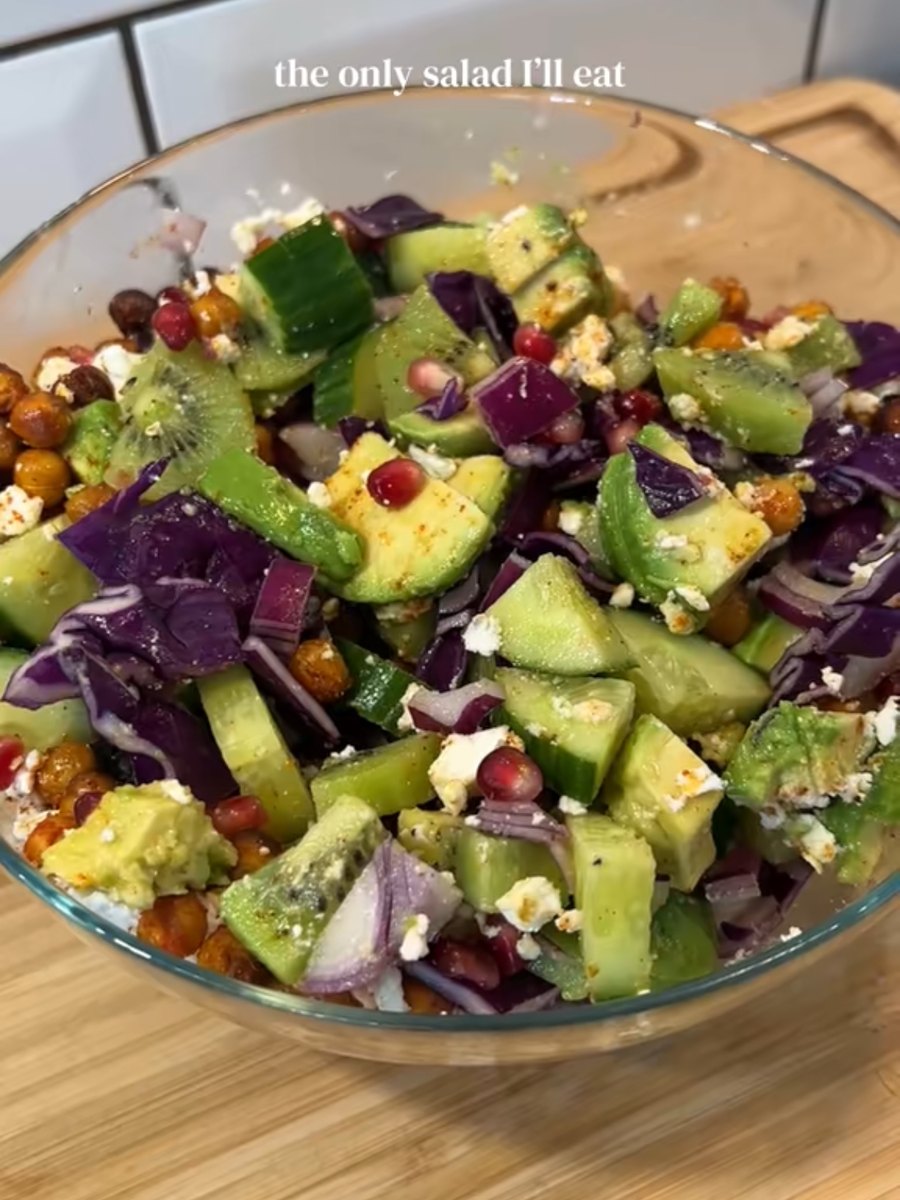
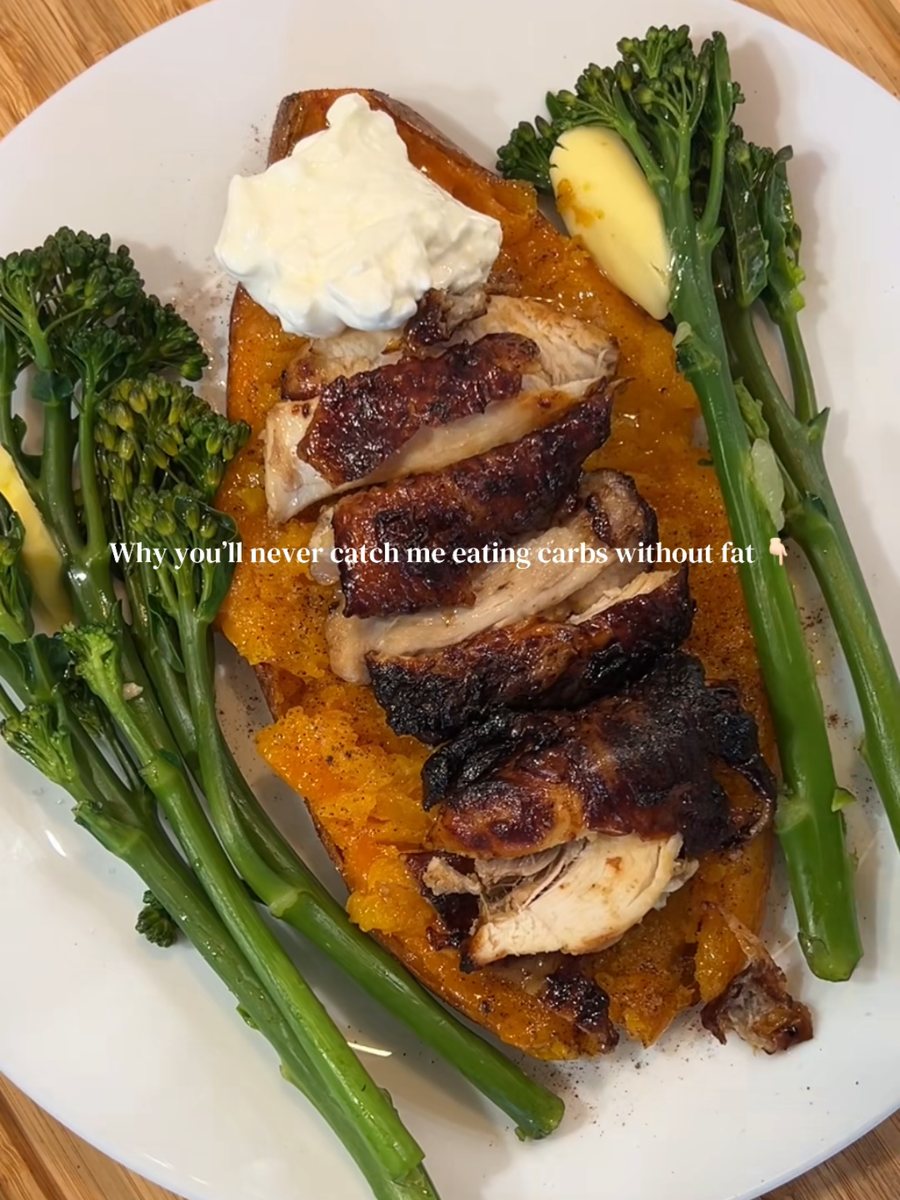
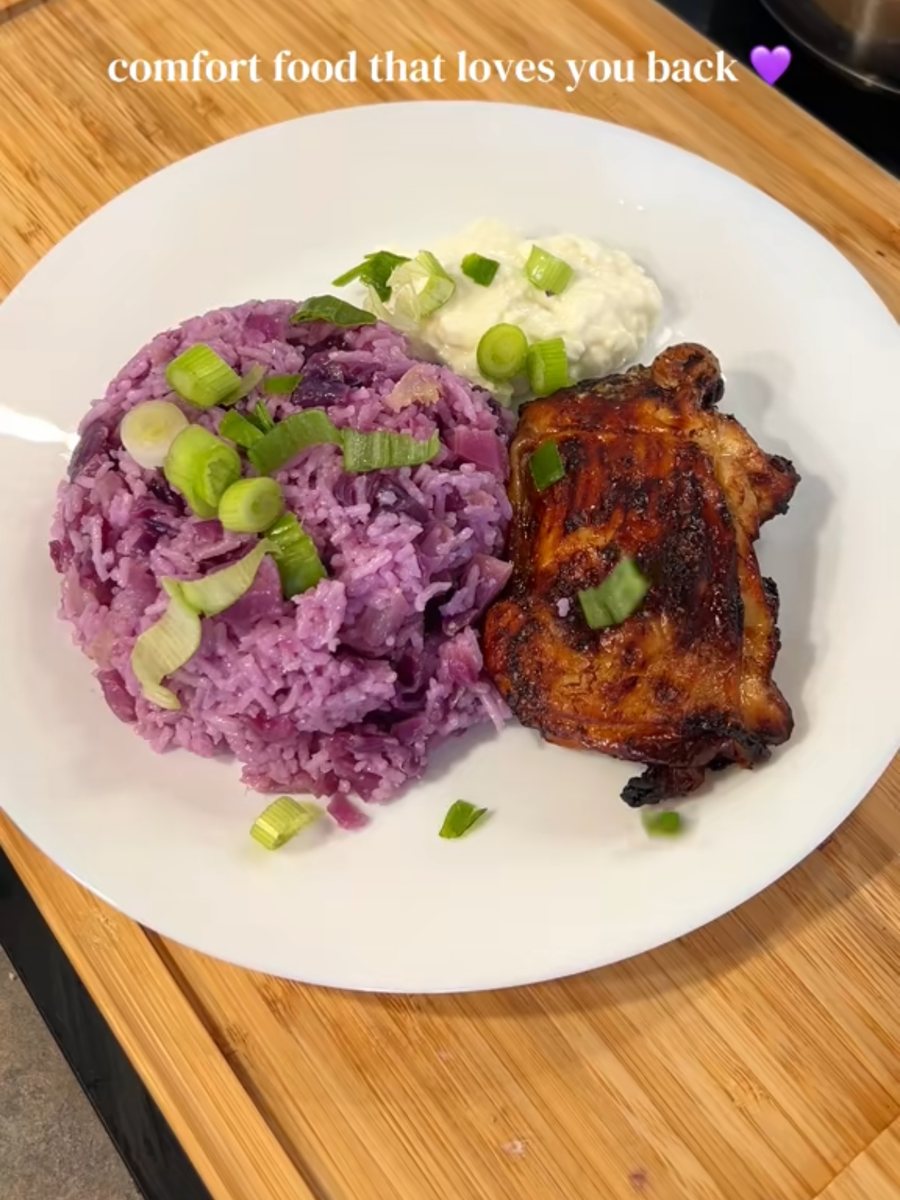
Put it into practice with recipes that pair your carbs with protein, fat and fibre.
Browse the recipes