"Sugar is sugar" is something you hear a lot. And partly, it's true. But it misses the thing that matters most for your blood sugar: not the sugar itself, but what comes with it.
Your body can't tell the molecules apart
The sucrose in a banana is the same molecule as the sucrose in a bag of sugar. Honey, maple syrup, agave and coconut sugar are mostly the same few sugars too: glucose, fructose and sucrose, in slightly different mixes. Calling a syrup "natural" doesn't change much once it's in your body.
So swapping white sugar for honey in a recipe isn't really a health upgrade. It's sugar either way.
What makes the difference is the package
Where whole foods win is everything that comes with the sugar. In a whole piece of fruit, the sugar is locked inside cells, surrounded by fibre and water. You have to chew it, it takes longer to digest, and it fills you up. A glass of juice has much of the same sugar, without most of that structure.
The research reflects this. A study following over 187,000 people for up to 24 years found that eating more whole fruits like blueberries, grapes and apples was linked to a lower risk of type 2 diabetes, while drinking more fruit juice was linked to a higher risk. Swapping three glasses of juice a week for whole fruit was linked to a 7% lower risk [1]. Same fruit, same sugars, very different results.
How the UK splits it
The NHS draws the line in a useful place. It separates free sugars, which it advises limiting, from sugars that come naturally packaged in food [2]:
- Free sugars: any sugar added to food or drink, plus the sugars in honey, syrups (maple, agave, golden), and fruit and vegetable juices and smoothies.
- Not free sugars: the sugars naturally in whole fruit, vegetables and milk.
Adults are advised to have no more than 30g of free sugars a day, about seven sugar cubes, and to keep juice and smoothies to 150ml a day [2]. Notice that honey and maple syrup sit firmly on the "free sugars" side, however natural they sound.
Not all sugars hit your blood the same
There is one real chemical difference. Glucose goes straight into your blood, with a glycaemic index (GI) of 100. Fructose, the main sugar in fruit, has to be processed by your liver first, so its GI is much lower, around 23. Table sugar is half of each, giving it a GI of about 65 [3].
That's partly why fruit tends to have a gentler effect than you might expect. But it's also why some syrups, like agave, are marketed as "low GI". They're mostly fructose, and low GI doesn't make them a free pass: the NHS still counts them as free sugars [2].
So where do sweets fit in?
Nothing is banned here, sweets included. What matters is how you have them. A handful of sweets on an empty stomach mid-afternoon is a fast hit of sugar with nothing to slow it down. The same treat after a proper meal, with protein, fat and fibre already in your stomach, lands much more gently.
There's research behind the order, too. A small study in people with type 2 diabetes found that eating the protein and vegetables before the carbs led to a noticeably lower blood sugar rise afterwards [4]. Dessert after dinner works with that, not against it.
What I do
- Whole fruit over juice, almost always.
- Fruit with company: berries with Greek yoghurt, an apple with cheese or nut butter.
- Dried fruit in small amounts. It's concentrated, so a few grams goes a long way, like the chopped dates in my Wheat Bisk Cheesecake.
- Honey as a drizzle, not a health food. I use a teaspoon in a few recipes for flavour, and count it as the sugar it is.
- Treats after meals, not instead of them.
The sugar matters less than the company it keeps. Same as everything else on this site.
This is general information, not medical advice. If you have diabetes or take medication that affects your blood sugar, speak to your GP or care team about what's right for you.
Sources
- Muraki I, et al. (2013). Fruit consumption and risk of type 2 diabetes: results from three prospective longitudinal cohort studies. BMJ.
- NHS. Sugar: the facts.
- Sugar Nutrition Resource Centre. What is the glycaemic index of sugar?
- Shukla AP, et al. (2015). Food order has a significant impact on postprandial glucose and insulin levels. Diabetes Care.
Recipes to try
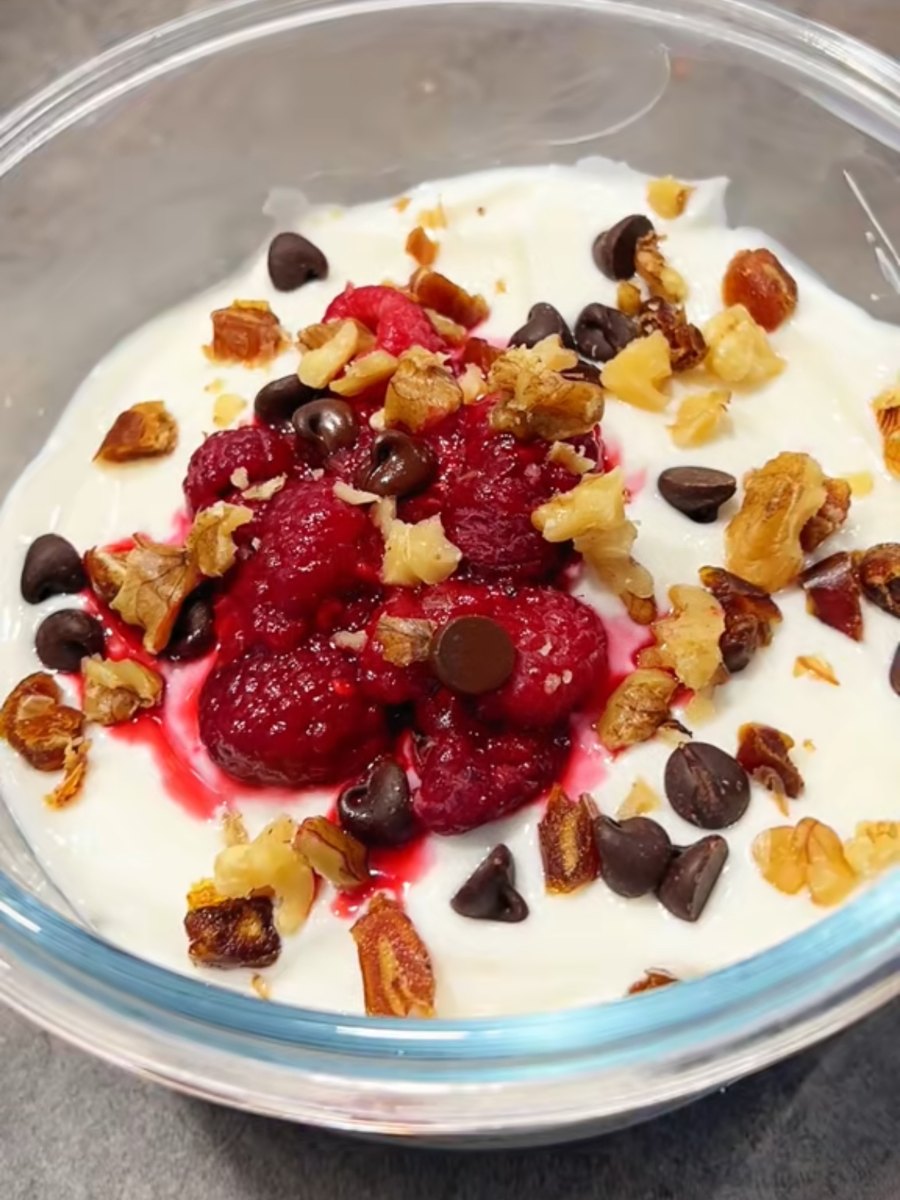
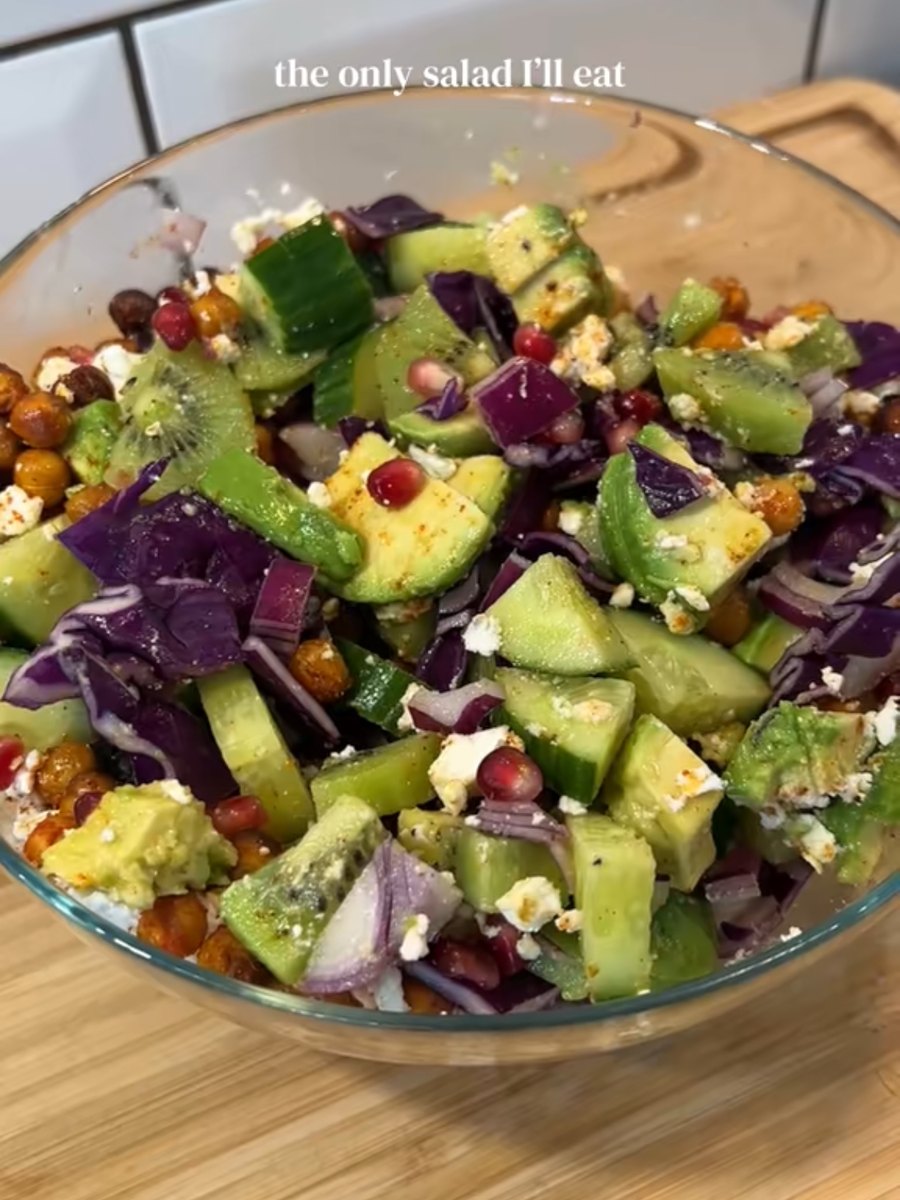

Put it into practice with recipes that pair your carbs with protein, fat and fibre.
Browse the recipes