You don't need a diagnosis to care about your blood sugar. It rises and falls after every meal you eat, and those ups and downs shape how you feel day to day: how hungry you get, whether you hit a slump in the afternoon, even how you sleep.
Most health goals get tackled one at a time, with a different plan for each. But blood sugar runs through almost all of them, and it's one of the few things you can influence every time you eat.
Weight
Fewer blood sugar dips, fewer cravings. Steadier meals keep you fuller for longer.
Energy
Fewer afternoon crashes, and less need for a snack to get you through.
Mood
In one trial, people reported lower mood and more fatigue on a high-GL diet.
Sleep
Women eating the highest-GI diets were more likely to develop insomnia.
Fitness
Protein to recover, carbs to train, and a walk after meals to use up the glucose.
Skin
In one trial, a lower-GL diet cut acne spots by twice as much.
Hormones
Steadier insulin goes to the root of many PCOS symptoms.
Heart
Blood sugar in the prediabetes range is linked to a higher risk of heart disease.
Brain
Higher average blood sugar is linked to faster decline in memory and thinking.
Type 2 diabetes
Raised blood sugar often has no symptoms, so it pays to look after it before a test tells you to.
Weight
Steadier meals keep hunger in check, so you're not fighting your appetite.
A spike doesn't turn straight into fat. The problem is what comes after: when blood sugar rises fast, it often drops fast too, and that dip makes you hungry again.
In a study of over 1,000 people wearing glucose monitors, those whose blood sugar dipped the most after breakfast felt 9% hungrier, ate their next meal about half an hour sooner, and ate around 312 more calories over the day [1]. The study was part-funded by ZOE, which sells glucose tracking, so keep that in mind. But it explains the meal that leaves you starving an hour later.
Energy
The afternoon slump is often a blood sugar dip.
In a small study, teenage boys who ate a high-GI breakfast saw their blood sugar rise fast, then fall within a few hours, along with a rise in the stress hormone adrenaline. At lunch, they ate nearly twice as much as after a lower-GI breakfast [2].
A full plate, with carbs plus protein, fat and fibre, releases its energy more gradually: fewer crashes, and less reaching for a snack to get through the afternoon.
Mood
Blood sugar may affect how you feel, not just how hungry you are.
In a trial where healthy adults ate a high-glycaemic-load diet for one period and a low-glycaemic-load diet for another, their questionnaire scores for depressive symptoms were 38% higher on the high-GL diet, and their fatigue scores 26% higher. The effect was stronger in people who were overweight [3].
These were mood scores, not diagnoses of depression, and it was one small trial. But it fits with something a lot of people notice: the low, flat feeling that can follow a sugary snack.
Sleep
What you eat in the day may show up in how you sleep at night.
In a study of over 77,000 women after the menopause, those eating the highest-GI diets were 16% more likely to develop insomnia over three years. Eating more fibre, whole grains, whole fruit and vegetables was linked to lower odds [4].
It's an observational study in older women, so it shows a link rather than proof. But it's a large one, and it points the same way as everything else here.
Fitness
It works both ways: eat to train, and move to steady your blood sugar.
Your muscles use glucose for fuel, so moving helps clear it from your blood. A review of trials found that even light walking after a meal lowered blood sugar compared with sitting [5].
Every plate here has protein, which your muscles need to recover and grow, and carbs, which fuel your workouts. You don't have to choose between eating for your blood sugar and eating for the gym.
Skin
What you eat can show up in your skin, and blood sugar may be part of the reason.
In a 12-week trial, young men with acne who switched to a lower-glycaemic-load diet saw their spot count fall by about twice as much as those on a standard diet: an average of 23.5 fewer spots, compared with 12 [6]. It was a small study, in men only, but it's one of the clearest diet and skin results there is.
There's a longer-term angle too. When blood sugar runs high, sugar sticks to proteins in the body, including collagen, the protein that keeps skin firm. I explain how in what are AGEs.
Hormones and PCOS
For PCOS, steadier blood sugar means steadier insulin, and that's where many symptoms start.
This is the reason I started Glucose Steady. Insulin tells the ovaries to make more testosterone and lowers the protein that keeps testosterone in check [7]. That's behind many PCOS symptoms, from irregular periods to acne and unwanted hair. There's more in how blood sugar and insulin drive PCOS symptoms.
Heart
Blood sugar that runs a little high is linked to heart disease, even without diabetes.
HbA1c is a blood test that shows your average blood sugar over the past few months. In a US study that followed over 11,000 adults without diabetes for around 14 years, those with HbA1c in the prediabetes range had a 78% higher risk of heart disease than those in the healthy range [8].
Brain
Higher blood sugar over the years is linked to faster decline in memory and thinking.
In the English Longitudinal Study of Ageing, people with higher HbA1c showed faster decline in memory and thinking over ten years. That was true for people with prediabetes, and a small effect was seen even within the normal range [9].
Type 2 diabetes
Raised blood sugar often has no symptoms, so it pays to look after it early.
Diabetes UK estimates that 6.9 million people in the UK have blood sugar high enough to raise their risk of type 2 diabetes, and almost 1.3 million may already have type 2 without knowing it [10]. In the US study above, people with HbA1c in the prediabetes range were around four and a half times as likely to be diagnosed with diabetes later on [8].
The heart, brain and diabetes findings all come from observational studies, so they show links rather than proof. But the pattern is consistent: blood sugar that runs higher over years is tied to the conditions most of us want to avoid as we get older.
Blood sugar isn't everything
Sleep, stress, movement and your genes all matter, and no single habit fixes everything. But blood sugar is one of the few things you can influence every time you eat, and it touches almost every goal on the list.
Where to start
- Give your carbs a plus-one. Add protein, fat or fibre to every meal and snack. It's not what you cut. It's what you add.
- Eat your veg and protein first, and the carbs last.
- Take a short walk after meals when you can.
- Eat proper meals rather than grazing all day, so insulin gets a chance to come back down. More on that in why insulin matters.
Every recipe on this site is built this way, with the real-life GL worked out so you can see the difference.
General information only, not medical advice. If you have diabetes, PCOS or another condition, or take medication that affects your blood sugar, speak to your GP or care team before changing how you eat.
Sources
- Wyatt P, et al. (2021). Postprandial glycaemic dips predict appetite and energy intake in healthy individuals. Nature Metabolism.
- Ludwig DS, et al. (1999). High glycemic index foods, overeating, and obesity. Pediatrics. Summary via USDA Agricultural Research Service.
- Breymeyer KL, et al. (2016). Subjective mood and energy levels of healthy weight and overweight/obese healthy adults on high- and low-glycemic load experimental diets. Appetite 107:253–259.
- Gangwisch JE, et al. (2020). High glycemic index and glycemic load diets as risk factors for insomnia: analyses from the Women's Health Initiative. American Journal of Clinical Nutrition.
- Buffey AJ, et al. (2022). The acute effects of interrupting prolonged sitting time in adults with standing and light-intensity walking on biomarkers of cardiometabolic health: a systematic review and meta-analysis. Sports Medicine.
- Smith RN, et al. (2007). A low-glycemic-load diet improves symptoms in acne vulgaris patients: a randomized controlled trial. American Journal of Clinical Nutrition 86:107–115.
- Mayer SB, Evans WS, Nestler JE (2015). Polycystic ovary syndrome and insulin: our understanding in the past, present and future. Women's Health.
- Selvin E, et al. (2010). Glycated hemoglobin, diabetes, and cardiovascular risk in nondiabetic adults. New England Journal of Medicine 362:800–811.
- Zheng F, et al. (2018). HbA1c, diabetes and cognitive decline: the English Longitudinal Study of Ageing. Diabetologia 61:839–848.
- Diabetes UK. How many people in the UK have diabetes? (2024–25 figures).
Recipes to try
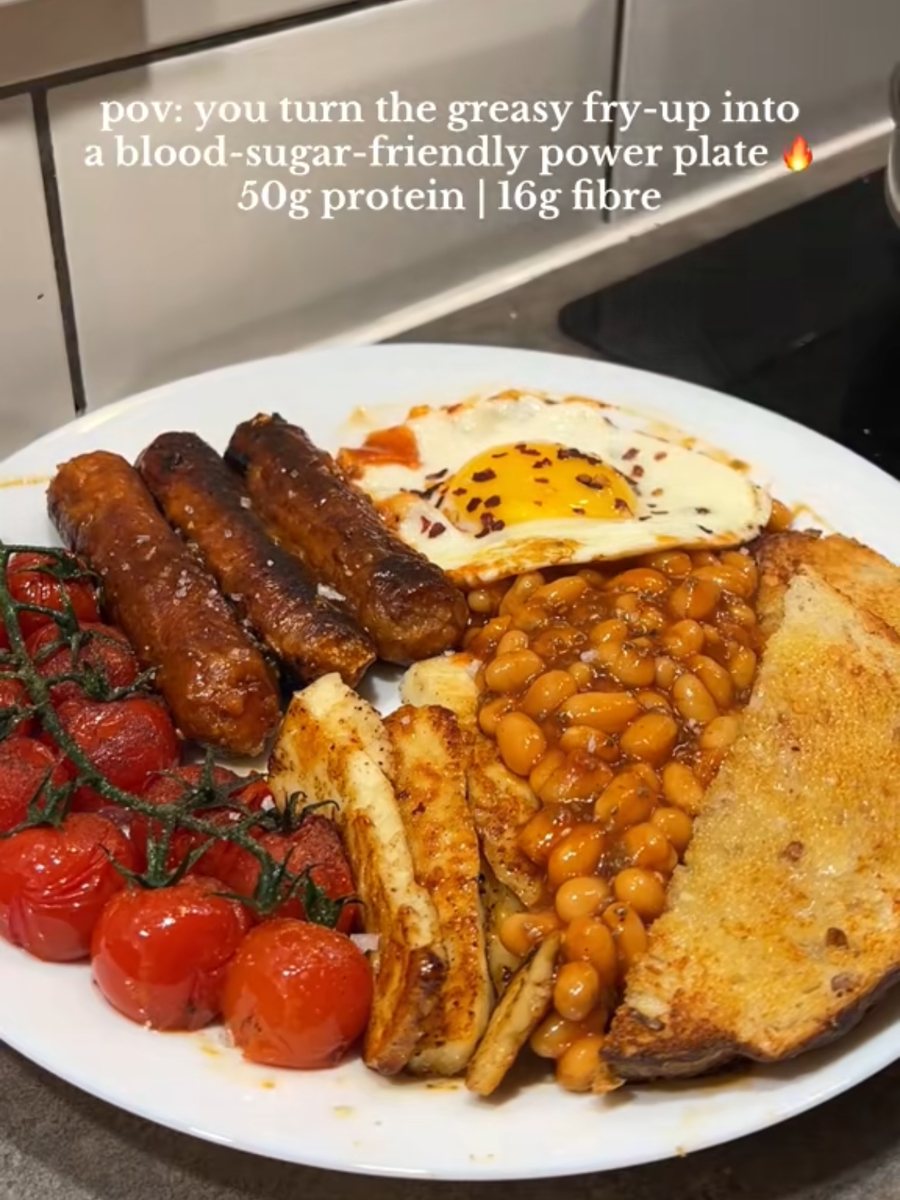


Put it into practice with recipes that pair your carbs with protein, fat and fibre.
Browse the recipes