Wagamama is one of my favourite places to eat out, but the menu is a real mix. Some dishes come in at around 60g of carbs; others blow past 150g! The great news? A few easy choices get you a steady, filling bowl without giving up your noodles or rice.
Every number here comes straight from Wagamama's own allergen and nutrition guide [1], dated 17 June 2026, with an estimated real-life GL for each order.
My order: chicken yaki udon
Every single time! Chunky udon noodles, chicken and veg, all tossed together in the wok. It brings 40g of protein and nearly 10g of fibre, which makes it one of the highest-fibre noodle dishes on the menu.
Being honest again: it's a big plate of noodles, so it comes out at a real-life GL of around 26. That's high, but it sits right in the middle of the pack, a long way below the curries. My trick is to order edamame and eat it first. It won't change the GL number (that only counts what's on the plate), but eating protein and fibre before your noodles has been shown to soften the blood sugar rise [2].
First, a reality check
Restaurant portions are big, so most Wagamama mains land in the high GL band, even the good ones. That's not a reason to skip it. It's a reason to know which orders land lowest, and the gap is huge: from around 20 for my top pick to nearly 70 for the firecracker curry.
How to build a steadier Wagamama order
- Start with edamame. One bowl packs 24g of protein and nearly 14g of fibre, with just 9g of carbs. Eat it first, so your main arrives to a stomach that's already got protein and fibre on board [2].
- Pick a dish with the protein built in. Chicken, steak, salmon and prawns all help. Just watch the fried and sticky-glazed ones, which bring extra sugar with them.
- Switch white rice to brown. Wagamama lets you switch up your steamed rice, and brown has 15g fewer carbs and more than double the fibre (7.5g vs 3g).
My go-to orders, lowest GL first
| Order | Real-life GL | Carbs | Fibre | Protein | Fat | kcal |
|---|---|---|---|---|---|---|
| Grilled chicken ramen + edamame | ~21 High | 77.4g | 17.4g | 58.8g | 17.9g | 736 |
| Chicken turmeric rice bowl | ~25 High | 57.5g | 5.6g | 41.0g | 40.1g | 767 |
| My order: Chicken yaki udon | ~26 High | 78.0g | 9.6g | 39.9g | 28.3g | 750 |
| Chicken katsu curry, brown rice | ~39 High | 95.0g | 12.4g | 44.9g | 43.8g | 958 |
| Compare: Chicken katsu curry, white rice | ~48 High | 110.0g | 7.9g | 43.9g | 41.8g | 988 |
| Compare: Chicken firecracker curry | ~68 High | 156.0g | 11.1g | 44.4g | 42.8g | 1239 |
How I estimated the GL. Same method as every recipe on the site: GI × carbs for each carb food, then the protein and fat adjustment, capped at 40% (how it works). Every order here hits that cap. Carbs are the restaurant's own figures. GI values: white rice 73, brown rice 68, udon 55, soya beans 16 (edamame) and white spaghetti 49 (closest match for ramen noodles) from the international GI tables [4]. I've applied each dish's main carb's GI to all of its carbs, including sauces. Treat these as estimates, not measurements.
Want the steadiest bowl? Grilled chicken ramen with edamame. The lowest GL of the mains here, at around 21. The ramen on its own is very lean (under 5g of fat, under 4g of fibre), so the edamame is what turns it into a proper meal, with nearly 60g of protein and 17g of fibre.
The turmeric rice bowl is a great all-rounder at around 25, with 41g of protein and plenty of fat.
Can't resist the katsu curry? Same! Ask for brown rice and it drops from around 48 to around 39. It's still a big one, so it's the perfect dish to share with a side of edamame.
The katsu curry with brown rice is my calculation: Wagamama's published curry figure, minus their 250g white rice portion, plus their 250g brown rice portion. It assumes the curry comes with that standard portion.
The sneaky ones
- Firecracker curry: 156g of carbs and 35g of sugar with chicken, and a real-life GL of nearly 70.
- Raisukaree: 131g of carbs with chicken.
- Teriyaki donburi: 108g of carbs and 17g of sugar in the chicken thigh version. That sweet glaze adds up.
- Hot honey fried chicken and the Korean fried chicken bao: 32g to 45g of sugar each. Small plates, big sugar!
- Koko 'prawn' crackers: 20g of sugar and almost no protein or fibre. Edamame does the snacking job so much better.
Two tiny habits that help anywhere
- Protein and veg first, noodles and rice last. Eating in that order has been shown to lower the blood sugar rise from the same meal [2].
- Walk it off. Even a short walk after a meal helps your muscles soak up some of that glucose [3].
Nutrition figures are from Wagamama and can change with the menu, so check their guide if it matters to you. If you count carbs to dose insulin, use the restaurant's own figures. General information only, not medical advice.
Sources
- Wagamama UK. Allergen information and dietary guide, main menu, 17 June 2026 (includes nutrition per dish).
- Shukla AP, et al. (2015). Food order has a significant impact on postprandial glucose and insulin levels. Diabetes Care.
- Buffey AJ, et al. (2022). The acute effects of interrupting prolonged sitting time in adults with standing and light-intensity walking on biomarkers of cardiometabolic health: a systematic review and meta-analysis. Sports Medicine.
- Atkinson FS, Foster-Powell K, Brand-Miller JC (2008). International tables of glycemic index and glycemic load values: 2008. Diabetes Care (Table 1).
Recipes to try
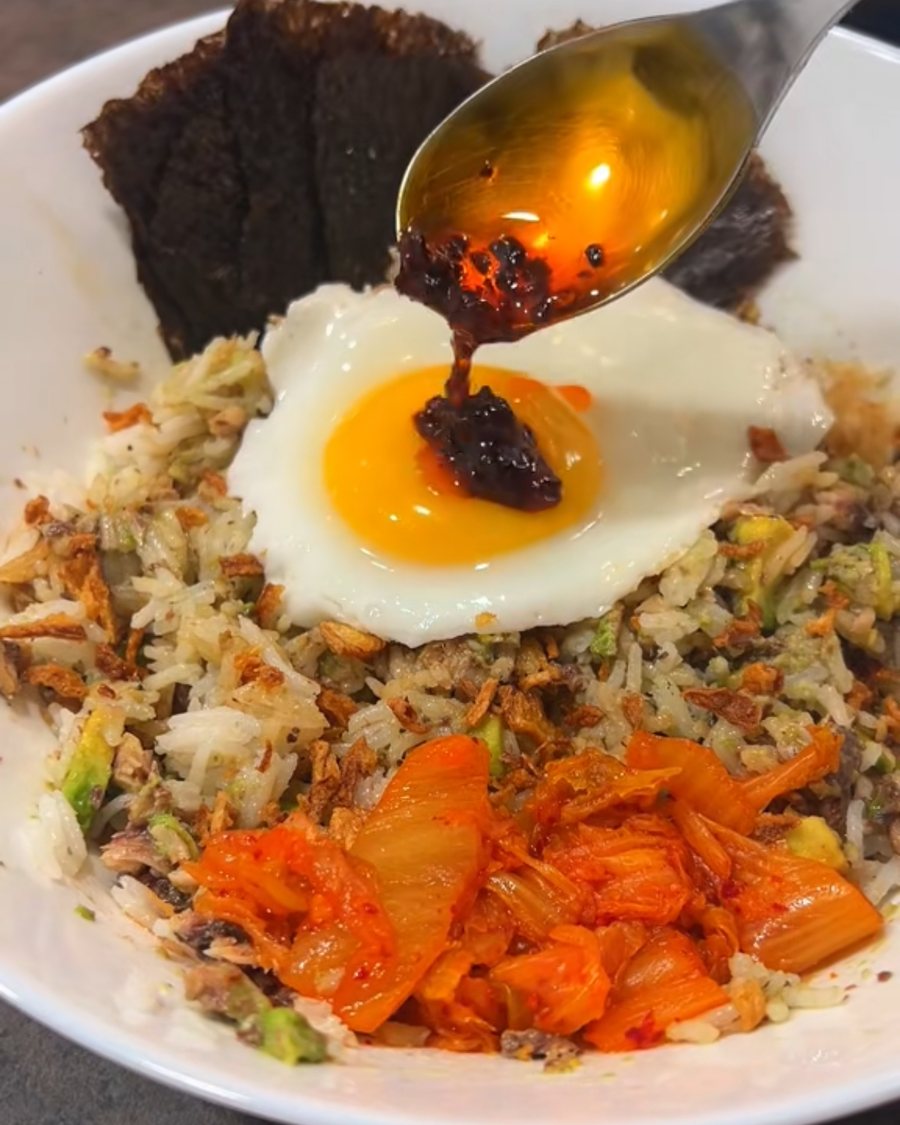
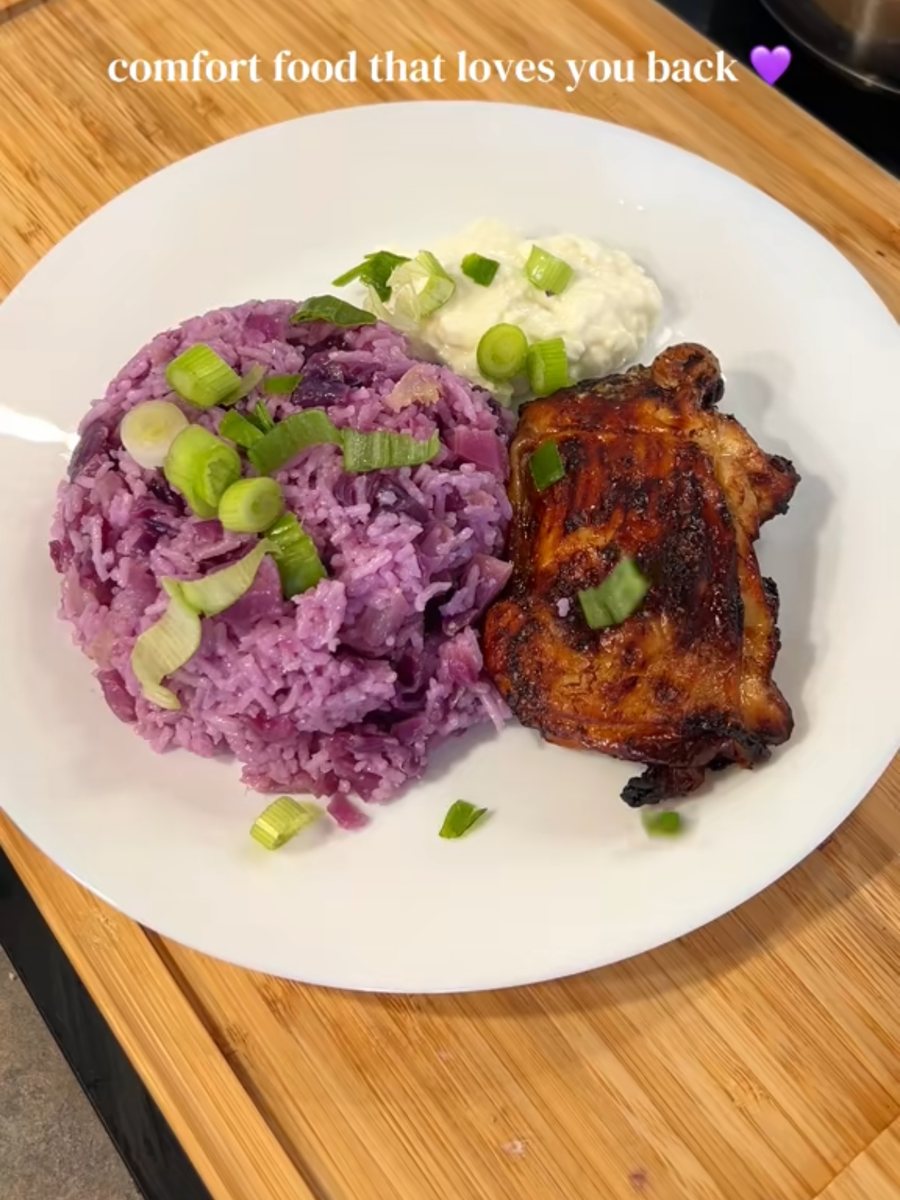
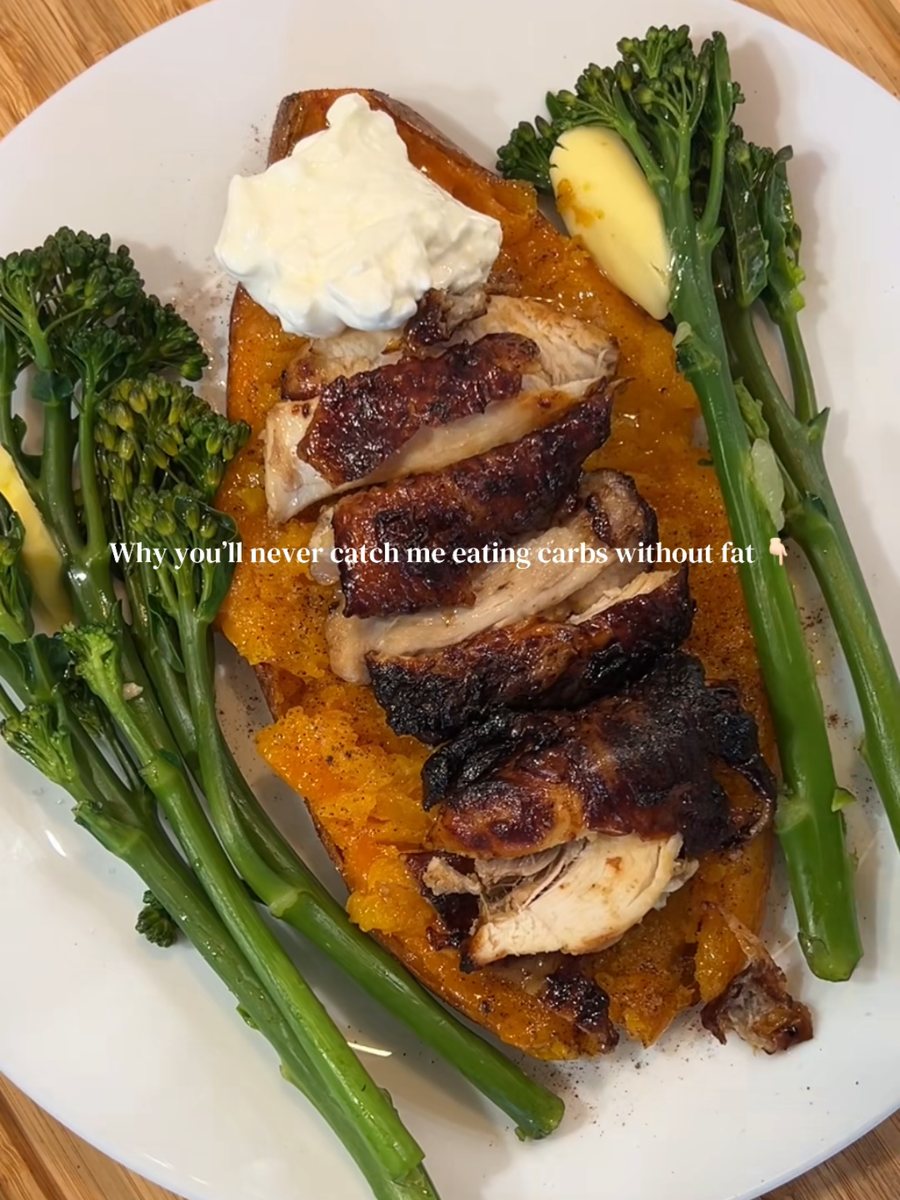
Put it into practice with recipes that pair your carbs with protein, fat and fibre.
Browse the recipes