If you have PCOS, you've almost certainly been told to cut carbs. It's the first thing that comes up when you search for a PCOS diet, and it's exactly the kind of restrictive, joyless advice that made me want to understand what was actually going on.
So I looked at what the evidence says. The short answer: no, you don't need to cut carbs.
What the PCOS guideline says
The 2023 international PCOS guideline is the biggest review of the evidence there is, put together by experts from around the world. On diet, it's surprisingly clear: there is "no evidence to support any one type of diet composition over another" for weight, metabolic, hormonal, fertility or mental health outcomes [1].
Instead, it says any way of eating that's in line with general healthy eating guidelines will have benefits, and that "unduly restrictive and nutritionally unbalanced diets" should be avoided [1]. It also says a healthy lifestyle has benefits even if you don't lose weight.
So why do carbs get the blame?
Because of insulin. Carbs raise blood sugar more than protein or fat, and blood sugar brings insulin with it. In PCOS, high insulin pushes the ovaries to make more testosterone, which is behind a lot of the symptoms. (I've written about that in why insulin matters too.)
So cutting carbs sounds logical. But when researchers put different diets head to head with the same calories, low-carb and other specialised diets rarely beat a standard healthy diet. A lot of the benefit seen in PCOS diet trials comes from weight loss rather than from the mix of carbs, protein and fat itself [2].
Where carbs do matter: which ones, and what with
That doesn't mean carbs are irrelevant. The question just isn't whether to eat them, but which ones and what you eat them with.
In one trial, 96 women with PCOS followed either a low-GI diet or a standard healthy diet with the same balance of carbs, protein and fat. The low-GI group saw bigger improvements in insulin sensitivity, and 95% of them had more regular cycles, compared with 63% on the standard diet [3]. Same amount of carbs, different kind.
It's one trial, and about half the women dropped out before the end, so it's not the final word. But it points the same way as everything else: carbs aren't the problem. Fast carbs on their own are the bit worth changing.
Why cutting carbs often backfires
The best diet is the one you can actually keep up. Cutting out a whole food group is hard to sustain, it can leave you hungry and fixated on food, and when it falls apart it tends to fall apart badly. That's why the guideline stresses flexible, individual approaches that fit the foods you enjoy [1].
What I do instead
I keep the carbs. Rice, potatoes, sourdough, pasta, oats, all of it. What I change is the company they keep:
- Slower carbs where it's easy. Beans, lentils, grainy breads and sweet potato over white bread, most of the time.
- Always with company. Every carb comes with protein, fat and fibre, which slows how fast it hits your blood.
- Proper meals. Full plates that keep you satisfied, rather than grazing all day.
That's what every recipe on this site is built around, and why each one shows its real-life GL.
This is general information, not medical advice. If you have PCOS or another condition, speak to your GP or care team about what's right for you.
Sources
- Teede HJ, et al. (2023). Recommendations from the 2023 International Evidence-based Guideline for the Assessment and Management of Polycystic Ovary Syndrome. Journal of Clinical Endocrinology & Metabolism.
- Kim Y, et al. (2025). The influence of dietary patterns on polycystic ovary syndrome management in women: a review of randomized controlled trials with and without an isocaloric dietary design. Nutrients.
- Marsh KA, et al. (2010). Effect of a low glycemic index compared with a conventional healthy diet on polycystic ovary syndrome. American Journal of Clinical Nutrition.
Recipes to try
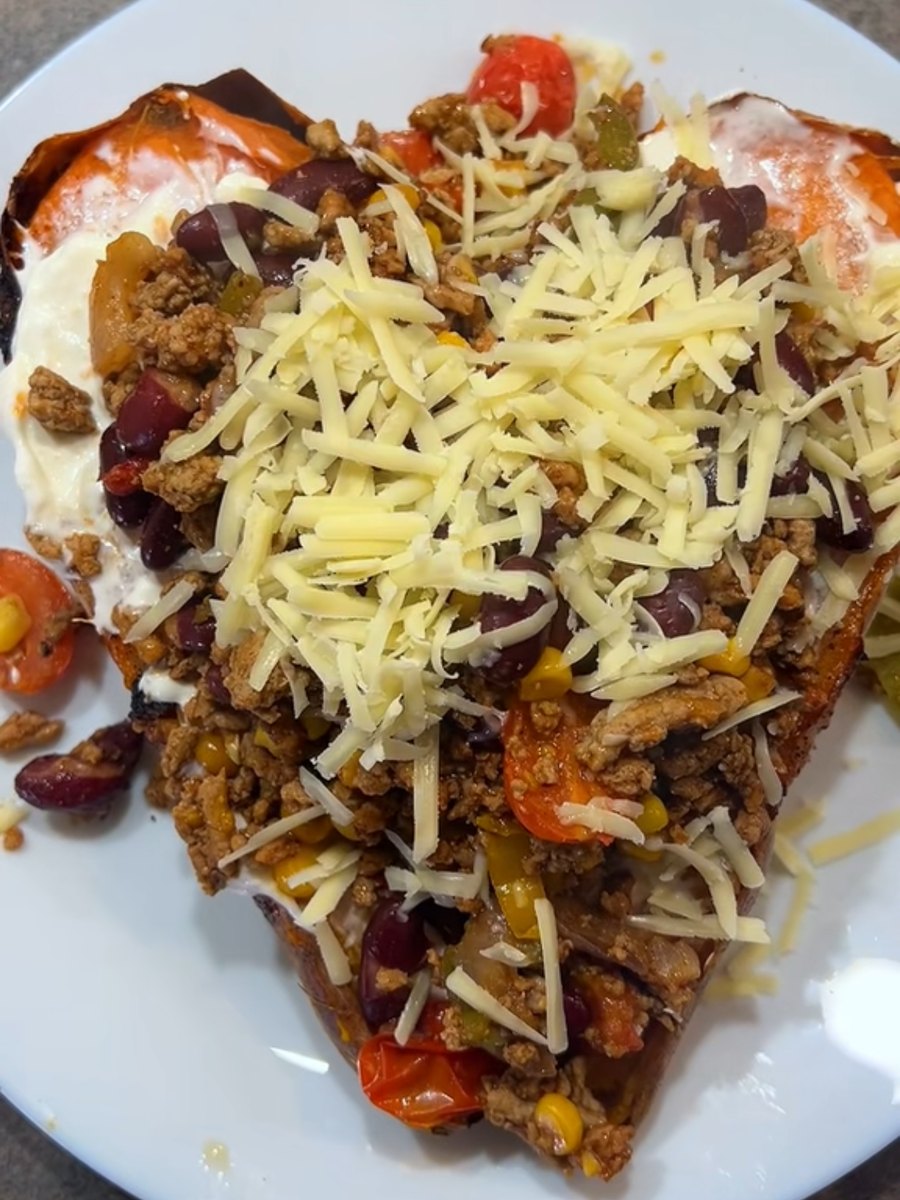
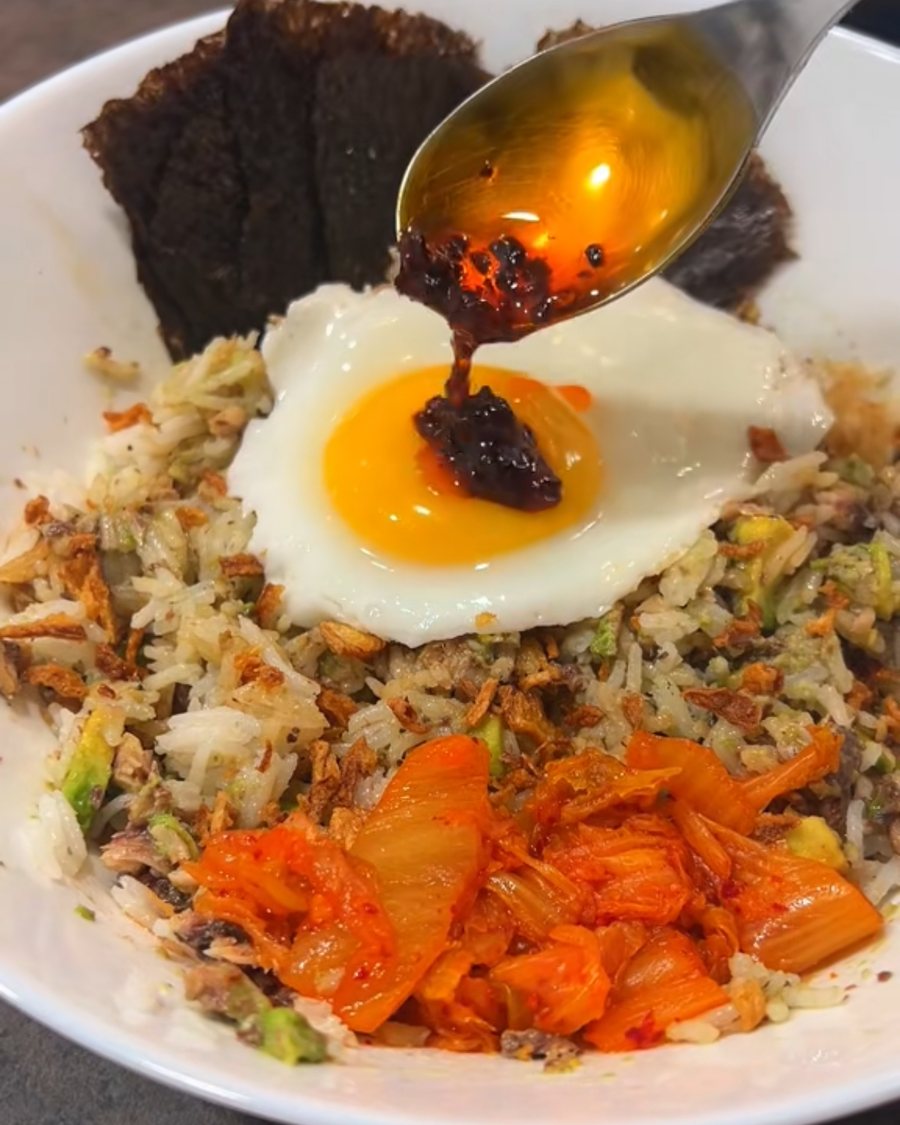
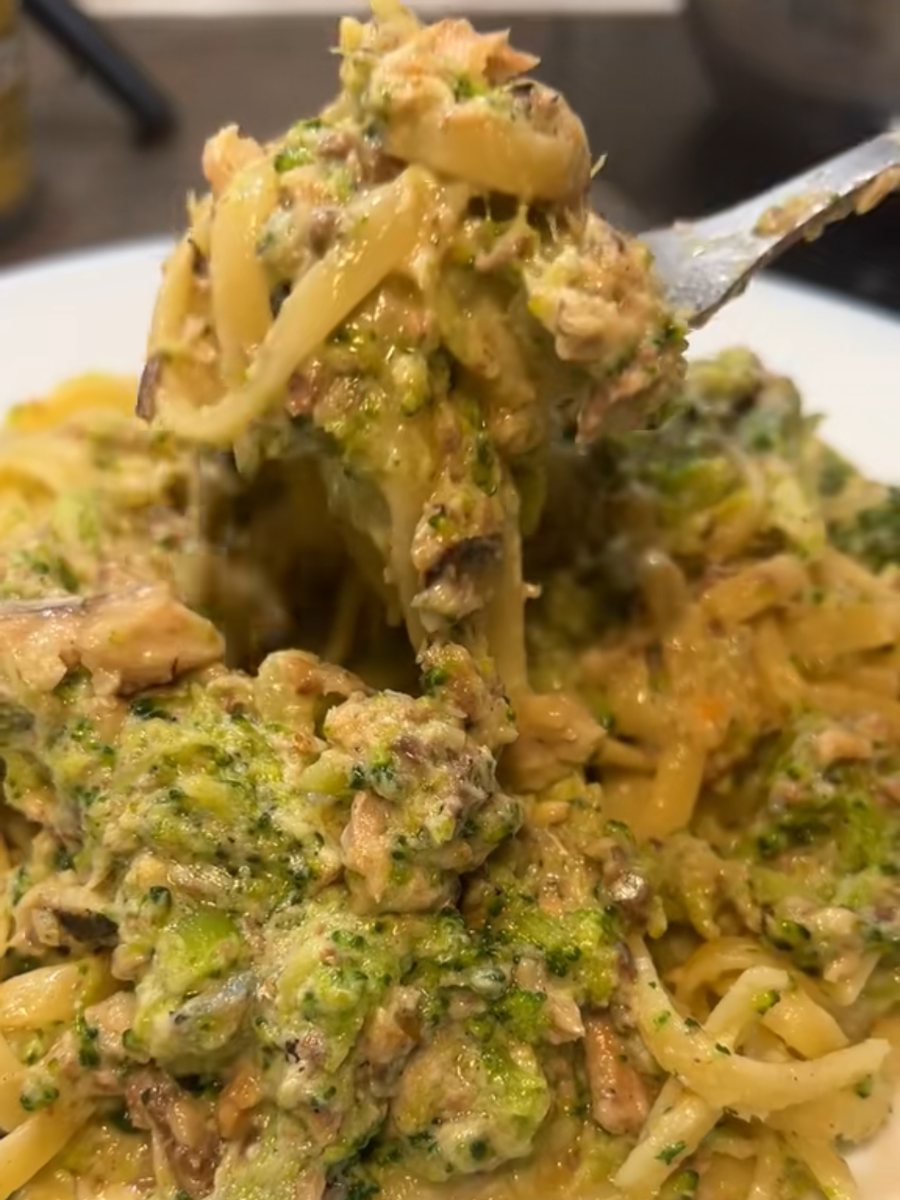
Put it into practice with recipes that pair your carbs with protein, fat and fibre.
Browse the recipes