Wetherspoon's menu runs from a 9g-carb breakfast to dishes with nearly 200g of carbs, so what you order makes a huge difference. The good news is that some of the steadiest options are hiding in plain sight, and one simple swap cuts the real-life GL of a burger by two thirds.
Every figure here comes from Wetherspoon's own allergen and nutrition guide for each dish [1], checked on 8 October 2026, with an estimated real-life GL for each. Menus can vary slightly between pubs.
Wetherspoon doesn't publish GI values, so I've split each dish's carbs between its parts, using Wetherspoon's own figures for the separate sides, and given each part its own GI from the 2021 international GI tables, such as baked potato for the jacket potato. Where a food isn't in the GI tables, I've used the closest one: there's no entry for fresh ramen noodles, for example, so I've used instant noodles. That makes every real-life GL here an estimate, not a measurement. The note under the tables lists every value I used.
Breakfast
The Power breakfast is the standout. Three scrambled eggs, bacon, smashed avocado, mushroom and tomato give you 46g of protein and only 9g of carbs, for a real-life GL of around 3.
If you want a fry-up, size makes the biggest difference. The Small breakfast comes out at around 9 and the Freedom breakfast, which skips the toast, at around 12. The Traditional breakfast is around 23, and the Large breakfast, with two slices of toast and three hash browns, is around 40.
Eggs Benedict comes out at around 17, because it has 49g of protein alongside the English muffin.
Beans on toast surprised me. It has 13g of fibre, but two slices of toast take it to 77g of carbs and a real-life GL of around 46. Most of its protein comes from the beans and bread themselves, so there's very little extra protein to slow it down.
| Order | Real-life GL | Carbs | Fibre | Protein | Fat | kcal |
|---|---|---|---|---|---|---|
| Power breakfast | ~3 Low | 9g | 4g | 46g | 46g | 646 |
| Small breakfast | ~9 Low | 27g | 5g | 23g | 25g | 435 |
| Freedom breakfast | ~12 Medium | 36g | 7g | 30g | 34g | 581 |
| Eggs Benedict | ~17 Medium | 42g | 4g | 49g | 31g | 653 |
| Traditional breakfast | ~23 High | 64g | 8g | 35g | 40g | 770 |
| Beans on toast | ~46 High | 77g | 13g | 23g | 15g | 558 |
| Compare: Large breakfast | ~40 High | 107g | 11g | 53g | 72g | 1312 |
Lunch and dinner
The steadiest main is the Chicken & maple-cured bacon salad with grilled chicken. It has 45g of protein and 11g of carbs, which gives a real-life GL of around 3. Choose the grilled chicken rather than the southern-fried, which nearly triples the carbs.
For something warmer, the ramen noodle bowl with a grilled chicken breast added comes out at around 12, with 43g of protein. The Mediterranean salad on its own has only 8g of protein, so adding a chicken breast is worth it: together they come out at around 13.
Swap chips for the side salad. This is the single biggest change you can make. The chicken burger with chips comes out at around 51. With the side salad instead, it drops to around 17, and you save over 500 calories.
Curries with rice come out at around 20 to 23 for the simple versions with basmati pilau rice and for the grilled chicken katsu curry. The full curry club meals, with rice, naan and poppadums, have over 100g of carbs each.
| Order | Real-life GL | Carbs | Fibre | Protein | Fat | kcal |
|---|---|---|---|---|---|---|
| Chicken & maple-cured bacon salad (grilled chicken) | ~3 Low | 11g | 2g | 45g | 28g | 477 |
| Ramen noodle bowl + grilled chicken breast | ~12 Medium | 38g | 4g | 43g | 7g | 389 |
| Mediterranean salad + grilled chicken breast | ~13 Medium | 42g | 7g | 44g | 29g | 618 |
| Chicken burger with side salad | ~17 Medium | 46g | 4g | 43g | 11g | 462 |
| Simple chicken jalfrezi with pilau rice | ~20 High | 57g | 8g | 41g | 17g | 560 |
| Jacket potato with tuna mayo | ~25 High | 50g | 9g | 37g | 26g | 597 |
| Compare: Chicken burger with chips | ~51 High | 127g | 9g | 50g | 30g | 993 |
| Compare: Sticky hot honey grilled chicken bowl with rice | ~40 High | 109g | 2g | 42g | 7g | 666 |
How I estimated the GL. Wetherspoon doesn't publish GI values, so these use the published GI for each food, or the closest food where it isn't listed. Same method as every recipe on the site: GI × carbs, then the adjustment for protein and fat, capped at 40% (how it works). That adjustment only counts the protein and fat from foods other than the carb foods, because a carb food's own protein and fat are already reflected in its GI. Total carbs, protein and fat are Wetherspoon's own figures for each dish. GI values are from the 2021 international GI tables [4]: baked potato 88 (the average of the table's two baked potatoes, for the jacket potato), fried potato 70 (chips), hash browns 56, white bread 73 (toast, and the English muffin, which isn't listed), burger bun 62, basmati rice 60 (pilau rice), long-grain white rice 62 (the coconut-flavoured rice, which isn't listed), instant noodles 51 (there's no entry for fresh ramen noodles, so this is the nearest noodle), honey 60 (the hot honey sauce) and baked beans 48. For salad, veg, sausages, sauces, gravy and mixed grains, I've assumed 50. I've split each dish's carbs between its parts using Wetherspoon's own figures for the separate items, such as hash browns (24g for two), a slice of toast (25g), a jacket potato (45g) and a side salad (6g). Where a part isn't sold separately, like the rice in a curry, I've worked it out by comparing versions of the same dish, such as the curry with rice and the curry with chips. Treat these as estimates, not measurements.
The sneaky ones
- American-style pancakes with fresh fruit: 139g of carbs and 84g of sugar.
- Fresh fruit and yoghurt: it sounds like the light option, but it has 51g of sugar and only 5g of protein.
- The sticky hot honey and sticky Korean bowls: around 41g to 54g of sugar each, from the sauce. The hot honey grilled chicken bowl with rice comes out at around 40.
- Loaded and cheesy chips: over 135g of carbs per bowl.
- Fish and chips: the full-size portion has 181g to 192g of carbs. The small version has around 100g.
Two habits that help anywhere
- Protein and veg first, chips and bread last. Eating in that order has been shown to lower the blood sugar rise from the same meal [2].
- Walk after you eat. Even light walking after a meal helps your muscles use up the glucose [3].
Nutrition figures are from Wetherspoon and can change with the menu, so check their guide if it matters to you. If you count carbs to dose insulin, use Wetherspoon's own figures. General information only, not medical advice.
Sources
- J D Wetherspoon. Allergen and nutritional information (per dish). Checked 8 October 2026.
- Shukla AP, et al. (2015). Food order has a significant impact on postprandial glucose and insulin levels. Diabetes Care. Summary via Weill Cornell Medicine.
- Buffey AJ, et al. (2022). The acute effects of interrupting prolonged sitting time in adults with standing and light-intensity walking on biomarkers of cardiometabolic health: a systematic review and meta-analysis. Sports Medicine.
- Atkinson FS, Brand-Miller JC, Foster-Powell K, Buyken AE, Goletzke J (2021). International tables of glycemic index and glycemic load values 2021: a systematic review. American Journal of Clinical Nutrition 114(5):1625–1632 (Supplemental Tables 1 and 2).
Recipes to try
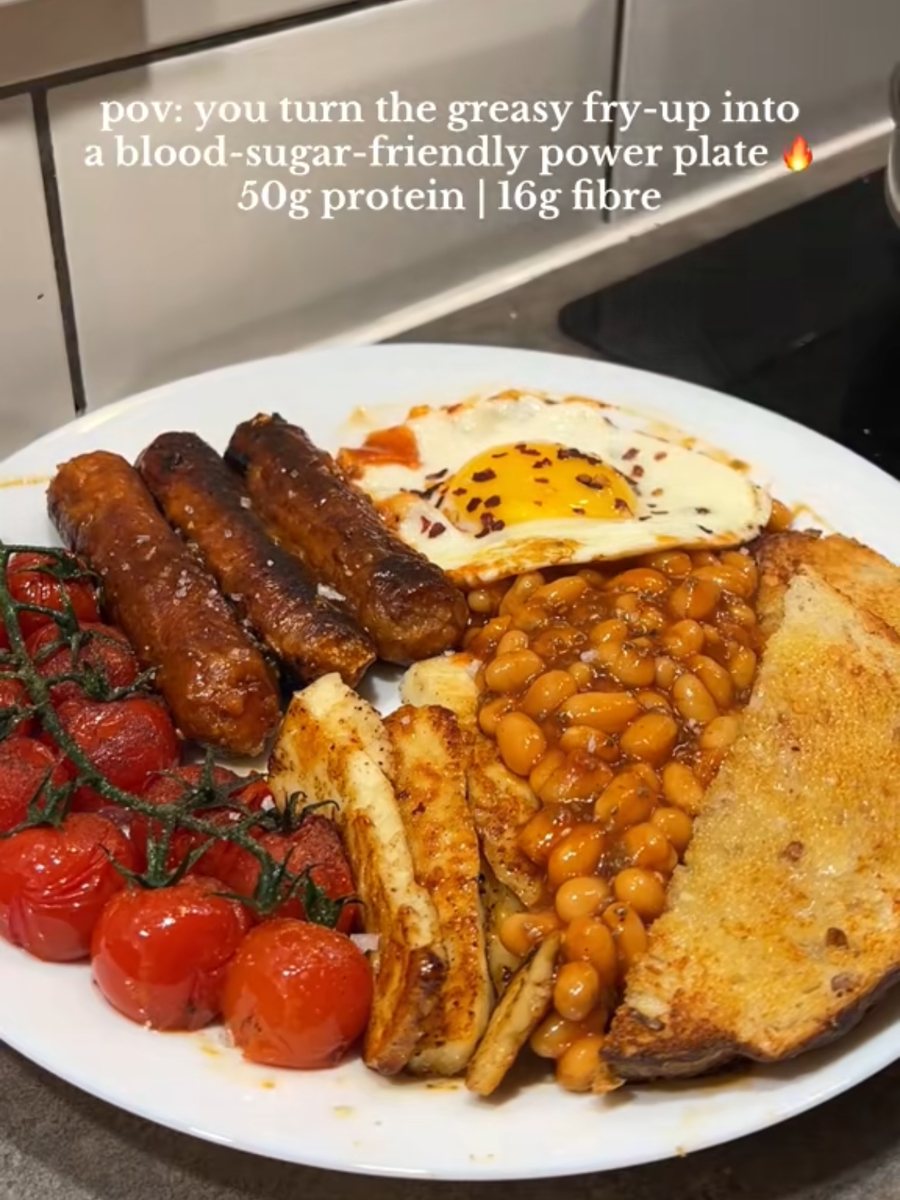
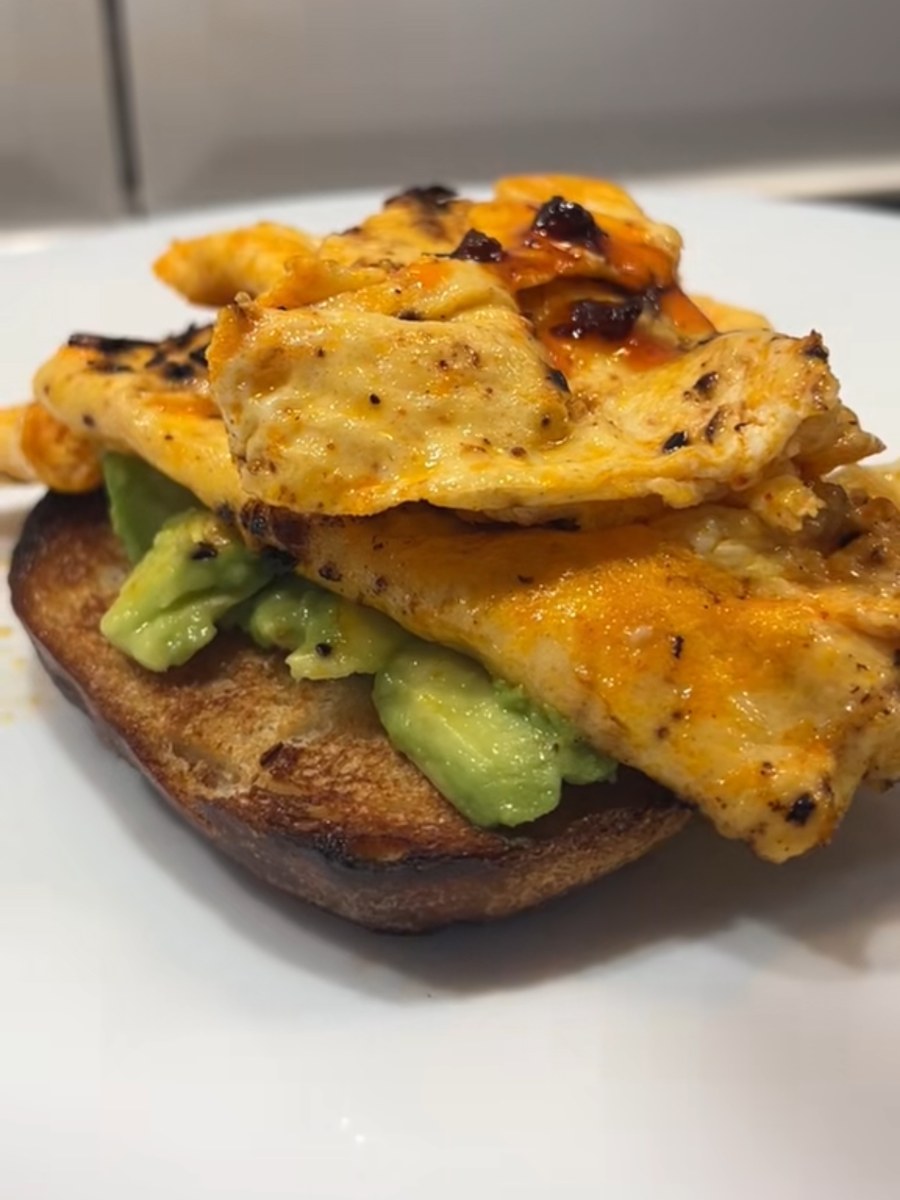
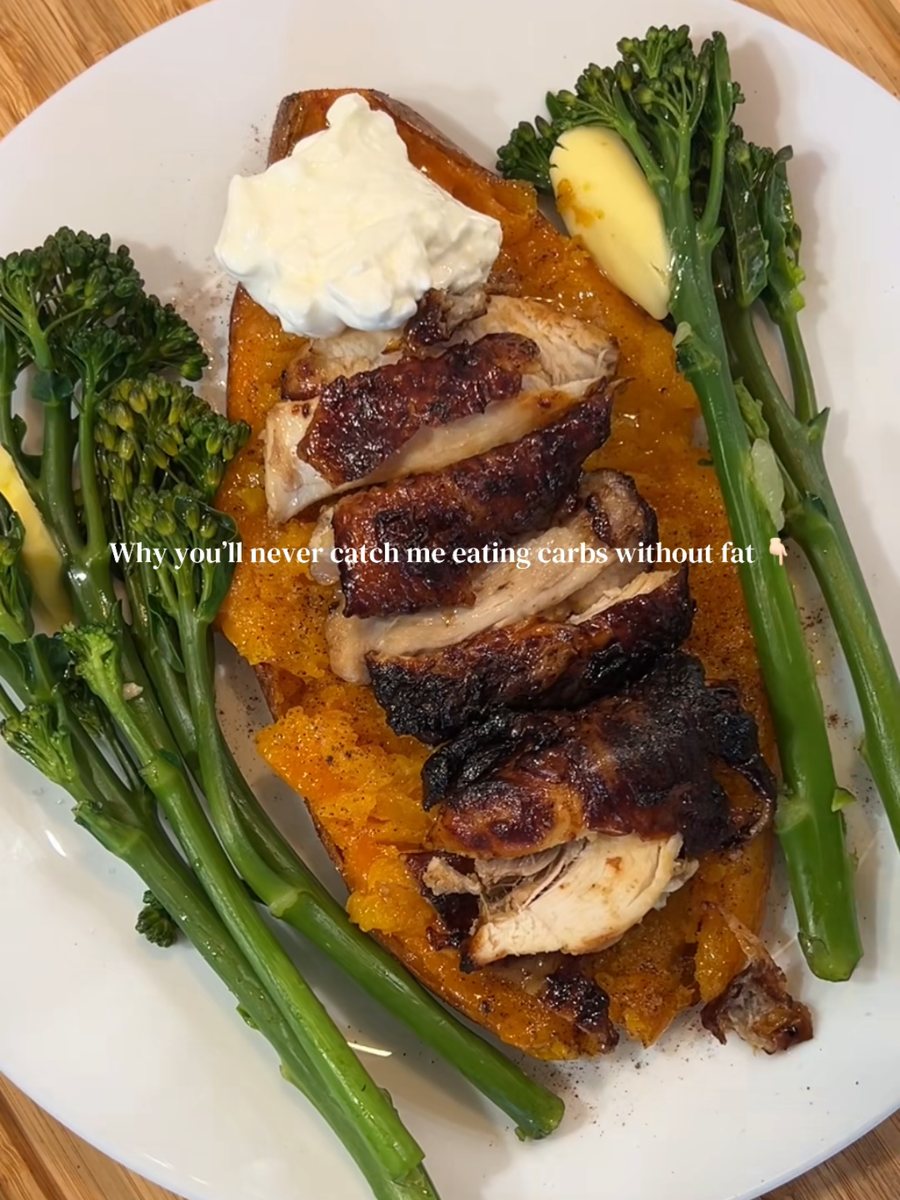
Put it into practice with recipes that pair your carbs with protein, fat and fibre.
Browse the recipes